
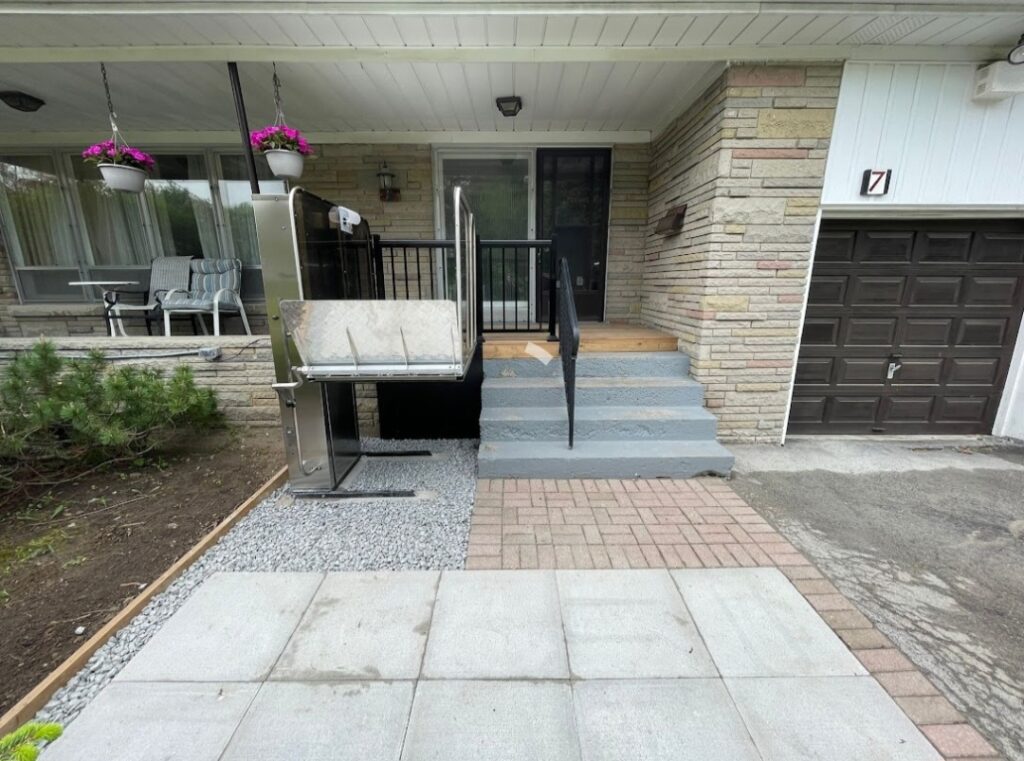
Home accessibility ramps and platform lifts represent transformative solutions that eliminate architectural barriers, enabling individuals with mobility challenges to safely navigate entrance steps, elevated doorways, and multi-level home environments with confidence and independence. These essential modifications address one of the most common accessibility barriers in residential settings, where steps and raised entrances can effectively trap wheelchair users, mobility aid users, and individuals with balance concerns within their homes or prevent safe entry and exit. At LIFEmed, we understand that selecting appropriate entrance solutions requires careful consideration of architectural constraints, user needs, aesthetic preferences, and local building codes to create access solutions that enhance independence while seamlessly integrating with existing home designs and neighborhood aesthetics.
Understanding Ramp Design Principles and Requirements
Proper ramp design follows established accessibility guidelines that ensure safe, comfortable navigation for individuals using various mobility devices while accommodating different strength levels and endurance capabilities. The standard slope ratio of 1:12 provides optimal balance between manageability and space efficiency, requiring one foot of ramp length for every inch of vertical rise, making this the preferred gradient for permanent installations. However, portable ramps may utilize steeper slopes up to 1:8 for temporary use, though these require greater upper body strength and pose increased challenges for power wheelchair users or individuals with limited pushing capability.
Ramp width requirements ensure adequate space for wheelchair maneuvering and safe passage, with minimum widths of 36 inches accommodating standard wheelchairs while 42-48 inch widths provide comfortable clearance for larger mobility devices and simultaneous caregiver assistance. Landing platforms at ramp tops and bottoms provide essential resting areas and maneuvering space, requiring minimum dimensions of 5 feet by 5 feet to accommodate wheelchair turning radii and door operation clearances. These landings prove particularly crucial for users who need time to rest during longer ramps or require space to operate entry doors without backing down ramps.
Handrail specifications provide essential support and safety features, requiring installation on both sides of ramps exceeding 6 feet in length with continuous gripping surfaces positioned 34-38 inches above ramp surfaces. Handrail extensions beyond ramp beginnings and endings offer additional support during approach and departure transitions, while return ends prevent catching of clothing or mobility aids during navigation. Surface texturing and non-slip materials ensure adequate traction during various weather conditions, particularly important in Canadian climates where ice and snow create additional safety challenges requiring specialized surface treatments.
Permanent vs. Portable Ramp Solutions
Permanent ramp installations provide long-term accessibility solutions that integrate seamlessly with home architecture while offering durability and weather resistance essential for year-round outdoor use. These structures typically utilize aluminum, composite, or pressure-treated lumber construction that withstands environmental exposure while maintaining structural integrity and appearance over extended periods. Permanent ramps can accommodate complex architectural challenges including turns, switchbacks, and multi-level configurations that provide access to elevated entrances while working within available space constraints.
Portable ramps offer flexibility for temporary needs, rental situations, or circumstances where permanent modifications aren’t feasible due to architectural constraints or lease agreements. Modern portable ramps feature lightweight aluminum construction with folding or telescoping designs that simplify storage and transportation while maintaining adequate weight capacity for safe use. These versatile solutions prove invaluable for vacation travel, visiting friends and family, or accessing buildings lacking permanent accessibility features, providing independence during social and recreational activities.
Modular ramp systems combine benefits of both approaches, offering semi-permanent installations that adapt to changing needs while allowing component reuse when relocating or modifying configurations. These systems utilize standardized components including ramp sections, landings, and railings that connect securely while enabling future adjustments or expansion as needs evolve. LIFEmed’s ramp specialists evaluate individual situations to determine optimal solutions balancing immediate needs with future flexibility while considering budget constraints and aesthetic preferences that influence long-term satisfaction.
Platform Lifts for Complex Access Challenges
Vertical platform lifts provide elegant solutions for entrance accessibility when space constraints make traditional ramps impractical or when vertical rises exceed reasonable ramp lengths. These mechanical systems transport wheelchairs and mobility aids vertically, typically accommodating rises up to 14 feet while requiring minimal horizontal space compared to equivalent ramp installations. Modern platform lifts feature weather-resistant construction, battery backup systems, and safety features including platform gates and call buttons that ensure reliable operation during power outages and emergency situations.
Enclosed platform lifts offer protection from weather elements while providing enhanced security during operation, featuring full enclosures with automatic doors that prevent accidental falls while enabling year-round use regardless of weather conditions. These sophisticated systems integrate seamlessly with home architecture through customizable finishes and designs that complement rather than detract from residential aesthetics. Indoor/outdoor models accommodate installations requiring protection from elements while maintaining architectural integration with existing structures.
Inclined platform lifts navigate stairs and sloped surfaces, providing accessibility solutions for homes with curved staircases, outdoor steps, or complex entrance configurations that standard ramps cannot address effectively. These specialized systems feature platforms that travel along rail systems following staircase contours, enabling wheelchair users to navigate multi-level entrances safely. Safety features including platform restraints, emergency stops, and obstruction sensors ensure secure operation while accommodating various wheelchair sizes and mobility device configurations.
Material Selection and Weather Considerations
Aluminum construction provides optimal balance of strength, durability, and weight for most ramp applications, with extruded profiles offering consistent quality while resisting rust and corrosion common in outdoor environments. Powder-coated finishes enhance weather resistance while providing attractive appearances that complement residential settings, with color options enabling coordination with existing home exteriors. Aluminum’s lightweight properties simplify installation while reducing structural loading on foundations and existing structures.
Composite materials offer superior slip resistance and aesthetic appeal, particularly valuable for permanent installations where appearance significantly impacts property values and neighborhood integration. These materials resist moisture absorption, preventing freeze-thaw damage common in Canadian climates while maintaining consistent surface textures throughout seasonal temperature variations. However, composite materials typically require higher initial investments while providing enhanced longevity and reduced maintenance requirements over equipment lifespans.
Wood construction provides cost-effective solutions for temporary or budget-conscious installations, though requiring regular maintenance including staining, sealing, and replacement of deteriorated components to maintain safety and appearance. Pressure-treated lumber resists moisture and insect damage while providing familiar construction materials for local contractors and DIY installations. LIFEmed provides comprehensive material guidance considering local climate conditions, maintenance capabilities, and aesthetic requirements to ensure optimal material selection for specific applications and environmental conditions.
Building Codes and Permit Requirements
Municipal building codes govern ramp installations, requiring permits for permanent structures while establishing safety standards that ensure proper construction and long-term reliability. Permit applications typically require detailed drawings showing ramp configurations, structural connections, and compliance with accessibility standards, with review processes ensuring installations meet local safety requirements. Professional design services navigate complex code requirements while optimizing ramp layouts for available spaces and architectural constraints.
Foundation requirements vary based on local soil conditions and ramp specifications, with permanent installations requiring concrete footings that prevent frost heaving and structural movement. Proper drainage around foundations prevents water accumulation that could compromise structural integrity while ensuring ramp surfaces remain safe during precipitation events. Building inspections verify compliance with approved plans while ensuring construction quality meets established standards for long-term safety and reliability.
Homeowners association approval may be required for permanent accessibility modifications, particularly in planned communities with architectural guidelines governing exterior modifications. Early consultation with HOA boards and architectural review committees prevents delays while ensuring proposed modifications align with community standards. LIFEmed assists with approval processes providing architectural drawings, compliance documentation, and advocacy support ensuring accessibility modifications receive necessary approvals while maintaining community relationships.
Funding and Financial Assistance Programs
The Alberta Aids to Daily Living (AADL) program provides funding assistance for permanent accessibility modifications including ramps when medical necessity is established through appropriate assessments and documentation. Coverage levels vary based on individual circumstances and available alternatives, with cost-sharing provisions potentially applying based on income and other factors. Professional assessments documenting medical necessity and lack of reasonable alternatives support funding applications while ensuring modifications meet program requirements.
Veterans Affairs Canada provides comprehensive accessibility modification coverage for eligible veterans, including ramps, platform lifts, and related structural modifications that enable continued independent living. The Veterans Independence Program offers additional support for home modifications that prevent institutional placement while maintaining quality of life for veterans with service-related disabilities. Priority processing and enhanced coverage levels recognize service members’ sacrifices while ensuring accessibility modifications receive adequate funding support.
Home modification loans and grants through provincial and federal programs provide additional funding sources for accessibility improvements, with income-based qualification and favorable lending terms that make modifications financially feasible for more families. LIFEmed’s funding specialists navigate available programs while providing documentation support and application assistance that maximizes available funding while minimizing out-of-pocket expenses for essential accessibility modifications.
Home accessibility ramps and platform lifts provide essential solutions for eliminating architectural barriers that prevent safe, independent navigation of residential entrances and multi-level environments. Through careful assessment of individual needs, architectural constraints, and available funding options, appropriate access solutions can transform homes into fully accessible environments that support continued independence while enhancing safety and quality of life. Understanding available options, design requirements, and funding opportunities empowers individuals and families to make informed decisions that create lasting accessibility improvements supporting aging in place and independent living despite mobility challenges.
To visit our Social Media, please click on Facebook and Instagram