
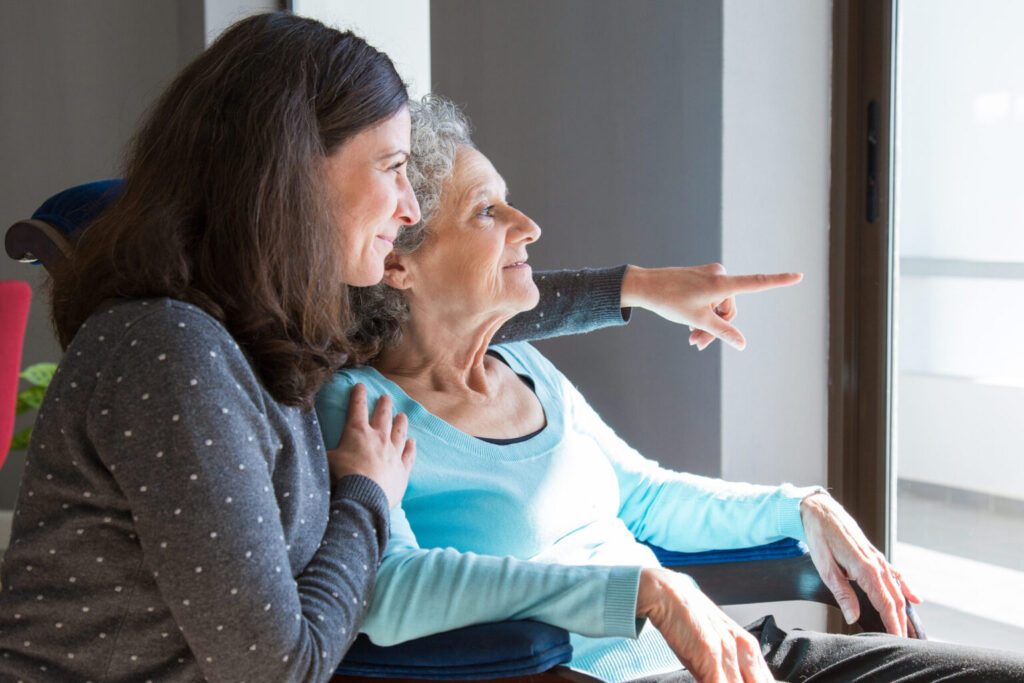
Starting 2026 with a comprehensive health protection plan for elderly loved ones goes beyond traditional medical care, encompassing strategic mobility equipment, safety modifications, and independence-supporting tools that actively prevent disease, reduce infection risks, and maintain physical health through enhanced activity levels and reduced fall hazards. As families resolve to prioritize senior health in the new year, understanding how appropriate mobility aids, bathroom safety equipment, and home modifications create protective environments becomes essential for preventing the cascade of health complications that often begin with simple falls, infections, or mobility decline. At LIFEmed, we believe that 2026 represents an opportunity to transform elderly care through proactive equipment solutions that maintain independence while providing families peace of mind knowing their loved ones are protected from preventable health emergencies and complications.
The Connection Between Mobility Equipment and Disease Prevention
Maintaining active lifestyles represents one of the most powerful disease prevention strategies for elderly individuals, with regular movement supporting immune function, cardiovascular health, respiratory capacity, and mental well-being that collectively create strong defenses against infections, chronic disease progression, and cognitive decline. Appropriate mobility aids enable continued physical activity when natural abilities decline, preventing the sedentary lifestyle that leads to muscle atrophy, bone loss, circulation problems, and increased susceptibility to pneumonia, urinary tract infections, and pressure sores that plague immobile seniors.
Wheelchairs, walkers, and mobility scooters serve as health protection tools by enabling elderly individuals to maintain social connections, attend medical appointments, participate in community activities, and engage in physical therapy exercises that would be impossible without mobility assistance. Regular movement facilitated by appropriate equipment stimulates circulation that prevents blood clots, maintains joint flexibility that reduces arthritis pain, and supports respiratory function that resists pneumonia development. The psychological benefits of continued mobility combat depression and social isolation, conditions that significantly compromise immune function and overall health outcomes.
Standing frames and therapeutic equipment provide crucial weight-bearing opportunities for individuals with limited mobility, preventing the rapid bone loss, muscle contractures, and circulation problems that develop within weeks of immobility. Regular standing sessions stimulate bone formation, maintain muscle tone, support digestive function, and promote respiratory health while providing psychological benefits associated with upright positioning. These interventions prevent the secondary health complications that often prove more debilitating than original conditions, creating comprehensive protection against disease development and progression.
Fall Prevention as Primary Health Protection Strategy
Falls represent the leading cause of injury-related death among seniors, with each fall significantly increasing risks of subsequent falls, hospitalizations, infections, and rapid health decline that often marks the beginning of profound disability or institutional care. Implementing comprehensive fall prevention strategies through appropriate equipment and home modifications creates the foundation for all other health protection efforts, preventing the catastrophic injuries that eliminate independence while triggering cascades of medical complications.
Bathroom safety equipment including grab bars, raised toilet seats, shower chairs, and non-slip surfaces address the highest-risk environment in homes, where wet surfaces and transfer activities create dangerous conditions for elderly individuals with balance problems, medication side effects, or vision impairments. Strategic placement of support devices enables independent bathroom use while dramatically reducing fall risks during intimate personal care activities where caregiver presence isn’t always practical or desired. LIFEmed’s bathroom safety specialists help identify specific risk factors and recommend equipment configurations that provide maximum protection while preserving dignity and independence.
Bedroom and living area modifications including bed rails, lift chairs, improved lighting, and clear pathways prevent the nighttime falls that frequently result in hip fractures and subsequent complications. Motion-activated lighting guides safe navigation during nighttime bathroom trips, while bed rails provide support during transfers that often occur when elderly individuals are disoriented or unsteady after sleep. Lift chairs eliminate the struggle of rising from seated positions, preventing the forward falls that occur when individuals push themselves up from furniture using inadequate arm strength.
Infection Control Through Proper Equipment Hygiene
Medical equipment and mobility aids require regular cleaning and sanitization to prevent bacterial and viral contamination that can lead to serious infections in elderly individuals with compromised immune systems. Wheelchair cushions, walking aid grips, and bathroom safety equipment accumulate pathogens from hands, body contact, and environmental exposure, requiring systematic cleaning protocols that eliminate disease-causing organisms while maintaining equipment integrity and user safety.
Antimicrobial equipment options including treated fabrics, silver-infused surfaces, and specialized coatings provide enhanced protection against bacterial growth and viral transmission, particularly valuable for individuals with chronic wounds, compromised immune function, or frequent healthcare facility visits. These advanced materials complement regular cleaning routines by continuously reducing pathogen levels on frequently touched surfaces, providing additional protection against infection transmission during daily equipment use.
Equipment replacement schedules ensure worn or damaged items don’t become infection sources, with particular attention to porous materials, cracked surfaces, and components that can’t be thoroughly cleaned or sanitized. Regular equipment inspections identify hygiene concerns before they become health hazards, while timely replacements maintain the protective benefits that properly functioning equipment provides against disease transmission and health complications.
Respiratory Health Protection Through Positioning Equipment
Respiratory infections represent leading causes of hospitalization and death among elderly individuals, with pneumonia and influenza particularly dangerous for those with limited mobility, chronic conditions, or weakened immune systems. Positioning equipment that promotes upright posture and regular position changes supports respiratory health by preventing secretion accumulation, improving ventilation, and maintaining lung capacity essential for fighting respiratory infections.
Adjustable beds and positioning systems enable therapeutic positioning that optimizes breathing function, with elevated head positions reducing gastroesophageal reflux that can lead to aspiration pneumonia. Regular position changes facilitated by appropriate equipment prevent pressure sores that become infection sources while promoting circulation that supports immune function and wound healing. These interventions prove particularly crucial for individuals with limited mobility who cannot reposition themselves independently.
Standing equipment and therapeutic devices that enable upright positioning provide respiratory benefits impossible to achieve through seated or lying positions, with weight-bearing activities stimulating deeper breathing patterns and improving overall lung function. LIFEmed’s positioning specialists understand how equipment selection influences respiratory health, recommending solutions that support optimal breathing function while addressing mobility limitations and comfort requirements essential for consistent use and therapeutic benefit.
Nutrition Support Through Adaptive Equipment
Maintaining adequate nutrition becomes increasingly challenging for elderly individuals with mobility limitations, dexterity problems, or swallowing difficulties that interfere with food preparation, eating independence, and proper hydration. Adaptive feeding equipment, specialized seating systems, and kitchen accessibility modifications enable continued independent nutrition while reducing choking risks and aspiration concerns that lead to serious respiratory infections.
Therapeutic seating systems with proper positioning support enable safe swallowing by maintaining optimal head and neck alignment during meals, preventing aspiration that can lead to pneumonia and other respiratory complications. Adjustable table heights, specialized utensils, and plate guards accommodate physical limitations while promoting eating independence that maintains dignity and nutritional intake essential for immune function and overall health maintenance.
Kitchen accessibility modifications including reachers, jar openers, and specialized appliances enable continued food preparation for individuals with arthritis, weakness, or mobility limitations that would otherwise force reliance on processed foods or caregiver assistance. Maintaining cooking abilities preserves nutritional quality while providing meaningful activity and independence that support psychological well-being crucial for immune function and disease resistance.
Technology Integration for Health Monitoring
Modern mobility and safety equipment increasingly incorporates smart technology that enables remote health monitoring, emergency response, and early intervention that prevents minor health issues from becoming serious complications. Wearable devices that monitor vital signs, activity levels, and fall incidents provide family members and healthcare providers with real-time information about elderly loved ones’ health status and safety.
Emergency response systems integrated with mobility equipment ensure rapid assistance during medical emergencies or equipment failures, reducing response times that prove critical during stroke, heart attack, or serious fall incidents. LIFEmed provides technology-enhanced equipment solutions that combine traditional safety benefits with modern monitoring capabilities, creating comprehensive protection systems that adapt to changing health needs while maintaining independence and family peace of mind.
Creating Your 2026 Health Protection Action Plan
Developing effective health protection strategies requires systematic assessment of current risks, equipment needs, and environmental modifications that address specific vulnerabilities while promoting continued independence and quality of life. Start 2026 by conducting comprehensive safety evaluations that identify fall hazards, infection risks, and mobility limitations that equipment solutions can address effectively.
Prioritize interventions based on immediate safety concerns, with bathroom modifications, fall prevention equipment, and emergency response systems taking precedence over convenience features or aesthetic considerations. Establish realistic timelines for equipment acquisition and home modifications, considering funding processes, installation requirements, and adaptation periods necessary for effective implementation and user acceptance.
LIFEmed’s comprehensive assessment services help families develop personalized health protection plans that address individual needs while coordinating equipment solutions, home modifications, and ongoing support services essential for maintaining elderly loved ones’ health, safety, and independence throughout 2026 and beyond.
Protecting elderly loved ones from disease and health complications in 2026 requires proactive strategies that extend beyond traditional medical care to encompass mobility equipment, safety modifications, and independence-supporting tools that create protective environments while maintaining dignity and quality of life. Through careful planning, appropriate equipment selection, and comprehensive safety modifications, families can significantly reduce risks of falls, infections, and health complications while enabling elderly loved ones to remain active, independent, and engaged in meaningful activities that support overall health and well-being throughout the new year.
To visit our Social Media, please click on Facebook and Instagram