
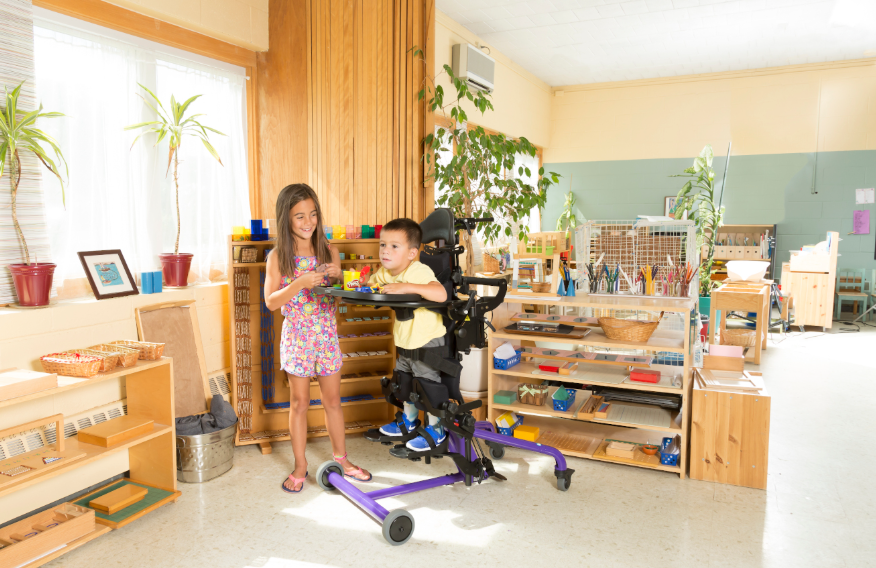
Protecting young people from diabetes risk in 2026 requires understanding that prevention begins far earlier than most families realize, with movement patterns, weight-bearing activity, and active lifestyle habits established in childhood and adolescence playing crucial roles in metabolic health that extends throughout life. For children and young adults with mobility limitations, neurological conditions, or developmental disabilities, diabetes prevention presents unique challenges since reduced movement opportunities, limited weight-bearing activity, and sedentary positioning create elevated risk factors that standard prevention advice often fails to address. At LIFEmed, we understand that “Quality of LIFE is Everything,” which means recognizing that proper standing equipment, mobility aids, and active positioning tools serve as powerful diabetes prevention strategies for young people whose physical limitations might otherwise restrict the movement essential for healthy metabolic development throughout childhood and into adulthood.
Understanding the Movement-Diabetes Connection in Young People
Type 2 diabetes development in children and young adults has increased dramatically, with sedentary behavior and reduced physical activity representing primary modifiable risk factors that families can address through intentional lifestyle planning starting in early childhood. Regular weight-bearing activity stimulates muscle glucose uptake independent of insulin action, creating metabolic pathways that improve insulin sensitivity and glucose regulation throughout the body. Children who spend extended periods in seated positions, whether due to mobility limitations, sedentary entertainment habits, or limited access to active play opportunities, miss crucial windows for establishing healthy metabolic patterns that protect against future diabetes development.
Muscle mass development during childhood and adolescence directly influences long-term insulin sensitivity, as muscle tissue serves as the primary site for glucose disposal following meals. Children with limited mobility who cannot participate in traditional sports or playground activities require alternative strategies for building and maintaining muscle mass through standing programs, adaptive exercise, and supported movement opportunities that provide equivalent metabolic benefits. Understanding this connection helps families recognize that standing frames and mobility equipment serve therapeutic purposes extending far beyond simple positioning, actively contributing to diabetes prevention through enhanced muscle engagement and glucose metabolism.
Bone health and metabolic function interconnect significantly, with weight-bearing activity stimulating not only skeletal development but also supporting healthy hormone production that influences insulin sensitivity and glucose regulation throughout the growing years. Children who achieve regular standing and weight-bearing activity through appropriate equipment demonstrate improved metabolic markers compared to those with limited weight-bearing opportunities, highlighting the importance of consistent standing programs for children with mobility challenges who face elevated diabetes risk due to reduced natural movement patterns.
Standing Programs as Early Diabetes Prevention Strategy
Implementing consistent standing programs from early childhood provides powerful diabetes prevention benefits for children with cerebral palsy, spina bifida, muscular dystrophy, or other conditions limiting natural standing and walking opportunities. Pediatric standing frames designed for different developmental stages enable progressive weight-bearing exposure that mimics natural movement patterns, supporting healthy muscle development and metabolic function despite physical limitations that prevent independent standing or walking. Starting these programs early, often as soon as developmental appropriate, establishes lifelong patterns that support metabolic health throughout childhood and into adult years.
Age-appropriate standing equipment accommodates growing bodies while maintaining consistent weight-bearing benefits throughout developmental stages, with properly sized devices ensuring optimal positioning that maximizes metabolic benefits while preventing musculoskeletal complications. LIFEmed’s pediatric standing specialists understand the connection between consistent standing programs and metabolic health, helping families select appropriately sized equipment that grows with their children while maintaining the weight-bearing benefits essential for diabetes prevention throughout developmental years.
Duration and frequency considerations for standing programs require balancing therapeutic benefits with practical implementation, as research suggests that regular, moderate-duration standing sessions provide superior metabolic benefits compared to sporadic, extended sessions that may prove difficult to maintain consistently. Establishing daily standing routines, even for brief periods initially, creates sustainable habits that support long-term diabetes prevention while accommodating family schedules and children’s tolerance levels during program implementation.
Family-Based Activity Planning for Metabolic Health
Creating family-wide activity patterns that include children with mobility limitations ensures diabetes prevention strategies extend beyond formal therapy sessions into daily life routines that naturally incorporate movement and reduced sedentary time. Adaptive sports programs, modified outdoor activities, and inclusive recreation opportunities provide social engagement alongside metabolic benefits, addressing both physical health and the psychological wellbeing that supports sustained healthy behavior patterns throughout childhood and adolescence.
Nutritional planning complementing activity strategies requires understanding how movement patterns influence appropriate caloric needs and meal timing for children with varying mobility levels and energy expenditure patterns. Families should work with healthcare providers to understand individualized nutritional requirements that support healthy growth while preventing excessive weight gain that compounds diabetes risk factors, particularly important for children whose mobility limitations might reduce overall caloric expenditure compared to fully mobile peers.
Sleep and stress management round out comprehensive diabetes prevention strategies, as both factors significantly influence insulin sensitivity and glucose regulation throughout childhood development. Establishing consistent sleep schedules, stress reduction techniques, and emotional support systems helps optimize the hormonal environment that supports healthy metabolic function alongside physical activity interventions. LIFEmed connects families with comprehensive resources that address the multiple factors influencing diabetes risk in children with mobility limitations.
Mobile Standing and Dynamic Movement Equipment
Mobile standers and dynamic positioning equipment expand diabetes prevention opportunities by combining weight-bearing benefits with active movement and environmental engagement that static standing frames cannot provide alone. These innovative devices enable children to participate in classroom activities, family outings, and recreational pursuits while maintaining therapeutic weight-bearing positions, maximizing both metabolic benefits and quality of life through expanded participation opportunities. The combination of standing and movement provides superior glucose metabolism benefits compared to static positioning alone, as muscle activation during movement enhances glucose uptake beyond simple weight-bearing effects.
Gait trainers and walking assistance devices support children developing walking capabilities while providing weight-bearing and movement benefits crucial for metabolic health during critical developmental windows. These devices enable practice of walking patterns that, even when not leading to independent ambulation, provide significant musculoskeletal and metabolic benefits through repeated weight-bearing and movement cycles that support healthy development.
Recreational mobility equipment including adaptive bikes, specialized sporting equipment, and modified play structures enable children with mobility limitations to engage in vigorous physical activity that provides superior diabetes prevention benefits compared to standing alone. LIFEmed helps families identify appropriate dynamic movement equipment that matches individual capabilities and interests while maximizing the metabolic benefits essential for long-term diabetes prevention.
Transitioning Prevention Strategies Through Adolescence
As children with mobility limitations progress through adolescence, diabetes prevention strategies must evolve to address changing bodies, increasing independence needs, and developing self-management capabilities that prepare young adults for lifelong health maintenance. Adolescents should gradually assume responsibility for their activity programs, understanding the connection between consistent movement and long-term health while developing self-advocacy skills for accessing appropriate equipment and support services throughout their lives.
Educational integration of diabetes prevention concepts helps adolescents understand the science behind movement and metabolic health, empowering informed decision-making about activity priorities and equipment use as they transition toward independent healthcare management. This understanding proves particularly valuable as young adults navigate healthcare transitions from pediatric to adult care systems, ensuring continuity of diabetes prevention strategies despite changing healthcare providers and support systems.
Equipment transitions from pediatric to adult-sized devices require careful planning to maintain consistent weight-bearing and movement opportunities throughout the vulnerable adolescent growth period when metabolic patterns significantly influence adult health outcomes. LIFEmed provides comprehensive transition planning helping families navigate equipment changes while maintaining consistent diabetes prevention strategies throughout the challenging adolescent development period.
Setting 2026 Family Health Goals
Establishing concrete 2026 goals for diabetes prevention requires translating general health awareness into specific, measurable activities that families can implement and track throughout the year. Setting standing program duration targets, identifying appropriate equipment upgrades, and establishing family activity schedules creates accountability structures that support consistent implementation of diabetes prevention strategies. Regular healthcare provider consultations help families adjust goals based on individual progress and changing developmental needs throughout the year.
Documentation of activity levels, standing program consistency, and relevant health markers provides valuable information for healthcare providers while helping families recognize progress and maintain motivation throughout long-term prevention efforts. Celebrating consistency and improvement, rather than focusing solely on outcome measures, helps maintain positive family attitudes toward diabetes prevention activities that must continue throughout childhood and beyond.
Protecting young people from diabetes risk in 2026 requires comprehensive understanding that movement, weight-bearing activity, and active lifestyle habits established in childhood create lasting metabolic health benefits extending throughout life. For children with mobility limitations, appropriate standing equipment, adaptive movement devices, and family-based activity planning provide essential diabetes prevention strategies that address unique challenges while supporting healthy development. Through early intervention, consistent implementation, and appropriate equipment selection, families can establish powerful diabetes prevention foundations that protect their children’s metabolic health throughout childhood and into successful, healthy adulthood.
To visit our Social Media, please click on Facebook and Instagram