
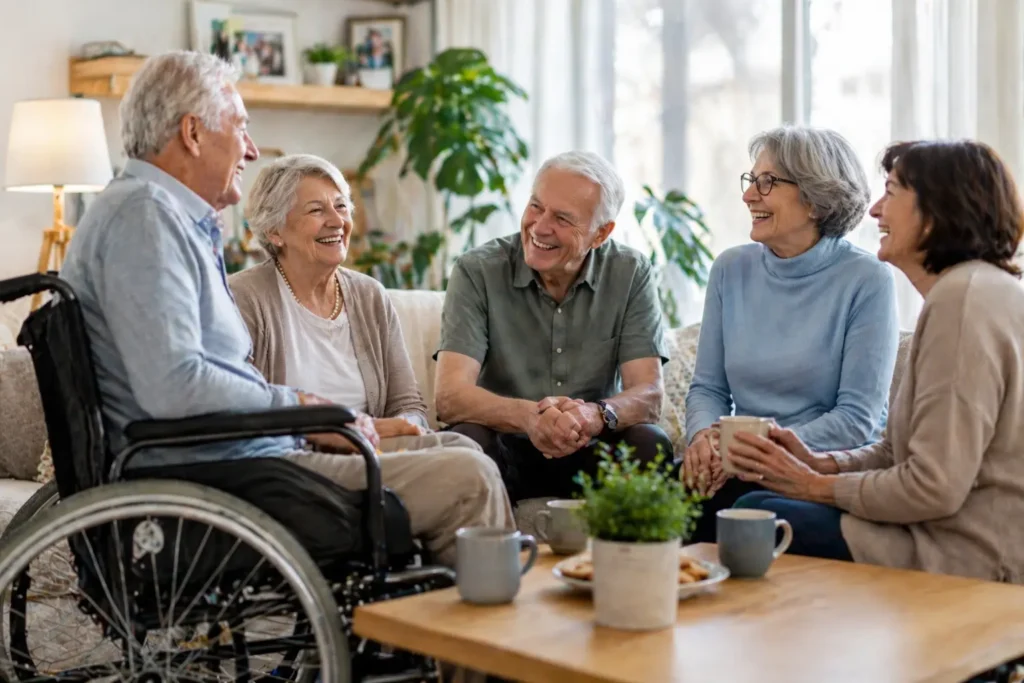
Mobility challenges can affect more than just physical movement. They can also influence emotional wellbeing, confidence, and social connection. Many individuals who rely on mobility equipment may experience feelings of isolation or reduced participation in social activities. Maintaining mental health is just as important as maintaining physical health.
Creating opportunities for connection, staying engaged in daily life, and building confidence can significantly improve quality of life. With the right support and environment, individuals can enjoy meaningful interactions and maintain a strong sense of independence.
At lifemed.ca, supporting independence includes helping individuals improve not only mobility but also overall wellbeing and social engagement.
Understanding the Impact of Mobility Challenges on Mental Health
Limited mobility can sometimes lead to reduced social interaction. Activities that were once simple may become more challenging, leading individuals to stay at home more often.
This change in routine can affect mood and emotional health. Feelings of frustration, loneliness, or lack of motivation may develop over time.
Recognizing these challenges is the first step toward finding solutions. By understanding how mobility affects mental health, individuals and caregivers can take proactive steps to stay connected and engaged.
The Importance of Social Connection
Human connection plays a vital role in emotional wellbeing. Regular interaction with friends, family, and community members helps reduce feelings of isolation.
Social activities can take many forms. Simple conversations, shared meals, or participating in community events can provide meaningful connections.
Technology also makes it easier to stay in touch. Video calls, messaging apps, and online communities allow individuals to connect with others even from home.
Maintaining social relationships supports mental health and creates a sense of belonging.
Creating Accessible Social Opportunities
Accessibility plays a key role in social participation. When environments are designed to accommodate mobility needs, individuals are more likely to engage in activities.
Choosing accessible locations for gatherings can make social events more enjoyable. Restaurants, parks, and community centers that offer easy access allow individuals to participate without barriers.
Planning ahead can also help. Checking accessibility features before attending events ensures a smoother experience.
You can explore more helpful tips and resources on the lifemed.ca.blogs.
Building Confidence Through Independence
Confidence is closely linked to independence. When individuals feel capable of moving safely and comfortably, they are more likely to participate in social activities.
Using the right mobility equipment can improve confidence. Proper support allows individuals to navigate environments with greater ease.
Small successes such as attending a social event or visiting a new place can build confidence over time.
The team at LIFEmed helps individuals find solutions that support both mobility and independence.
The Role of Routine and Daily Activities
Maintaining a daily routine can support both mental and physical health. Structured activities provide a sense of purpose and stability.
Simple activities such as reading, hobbies, or light exercise can improve mood and reduce stress. Incorporating social interaction into daily routines can further enhance wellbeing.
Consistency helps individuals stay engaged and motivated.
Overcoming Barriers to Social Participation
Many individuals face barriers that limit social interaction. Transportation challenges, accessibility issues, and lack of confidence can all play a role.
Identifying these barriers allows individuals to find practical solutions. For example, using accessible transportation services or choosing nearby locations can reduce travel challenges.
Support from family members or caregivers can also help overcome obstacles.
With the right approach, many barriers can be reduced or eliminated.
The Benefits of Community Involvement
Being part of a community provides opportunities for connection and support. Community groups, clubs, and local events offer chances to meet others and share experiences.
Participating in group activities can improve mood and provide a sense of achievement. It also allows individuals to build new friendships.
Community involvement encourages active participation and helps individuals feel valued.
Supporting Caregivers and Families
Caregivers and family members play an important role in supporting mental health. Encouragement, understanding, and communication can make a significant difference.
Creating opportunities for shared activities strengthens relationships and improves emotional wellbeing.
Caregivers can also benefit from support networks and resources that help them manage their responsibilities.
You can find additional guidance and resources on the LIFEmed blog.
Using Technology to Stay Connected
Technology offers new ways to stay connected and engaged. Online platforms allow individuals to join virtual communities, attend events, and communicate with others.
Social media, video calls, and online forums provide opportunities to share experiences and build connections.
These tools are especially valuable for individuals who may have limited access to in person activities.
Supporting Overall Wellbeing Through Balance
Mental health is influenced by many factors including social connection, physical activity, and daily routines. Maintaining a balance between these elements supports overall wellbeing.
Taking time for relaxation, engaging in enjoyable activities, and staying connected with others all contribute to a positive outlook.
At lifemed.ca, the goal is to support individuals in every aspect of life. By combining mobility solutions with strategies for mental wellbeing, individuals can achieve a higher quality of life.
Living a Connected and Fulfilling Life
Mobility challenges should not limit opportunities for connection and enjoyment. With the right support and approach, individuals can continue to participate in meaningful activities and maintain strong relationships.
Focusing on mental health, building confidence, and creating accessible opportunities can transform daily life.
Exploring helpful resources and staying informed through the lifemed.ca. blogs can provide valuable insights and support.
To visit our Social Media, please click on Facebook and Instagram