
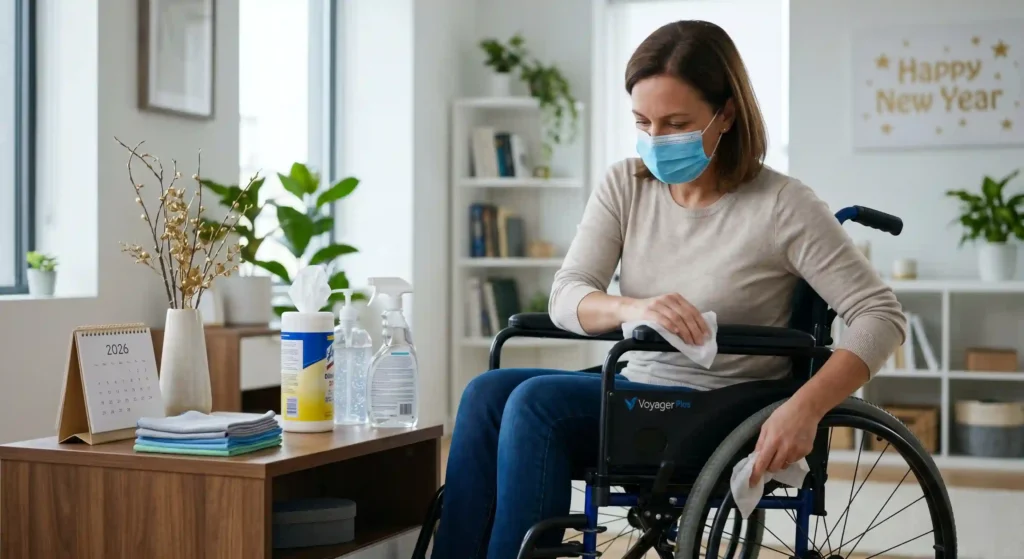
Starting 2026 with robust health defense strategies becomes especially critical for mobility aid users who face heightened viral transmission risks through frequent contact with medical equipment, healthcare facilities, and public surfaces that accumulate pathogens throughout daily use. Implementing comprehensive equipment hygiene protocols, environmental safety measures, and personal protection strategies creates powerful barriers against rapidly spreading viral diseases while maintaining the independence and community participation that define quality of life for individuals using wheelchairs, walkers, and other mobility devices. At LIFEmed, we understand that protecting mobility aid users requires specialized knowledge about equipment sanitization, environmental modifications, and safety protocols that address unique challenges faced by individuals whose daily activities involve frequent contact with potentially contaminated surfaces and shared spaces.
Comprehensive Equipment Sanitization Protocols
Mobility equipment serves as potential vectors for viral transmission when proper cleaning and disinfection protocols aren’t maintained consistently, making systematic sanitization essential for preventing disease spread through wheelchairs, walkers, toilet seats, and other frequently touched surfaces. Daily cleaning routines should address all contact points including wheel rims, armrests, seat surfaces, and control mechanisms using EPA-approved disinfectants that eliminate viruses without damaging equipment materials or compromising safety features. Establishing consistent cleaning schedules prevents pathogen accumulation while creating protective habits that become automatic responses during times of increased viral transmission.
Wheelchair-specific sanitization requires understanding materials and mechanisms that influence cleaning approaches, with fabric components needing different treatments than metal or plastic surfaces. Power wheelchairs present unique challenges with electronic components requiring careful moisture management during cleaning, while control systems need specialized attention to prevent damage while ensuring thorough disinfection. Removable components including cushions, armrest pads, and footrests should undergo separate cleaning protocols enabling more thorough sanitization than in-place cleaning alone can achieve.
Healthcare facility visits present elevated transmission risks requiring pre-visit and post-visit equipment cleaning that addresses potential exposure to concentrated pathogen sources. Portable disinfecting supplies, protective covers, and hand sanitization stations enable immediate response to potential contamination while maintaining equipment integrity throughout medical appointments. LIFEmed’s equipment specialists provide detailed sanitization guidelines specific to different mobility devices, ensuring users understand proper cleaning techniques that protect against viral transmission without compromising equipment functionality or safety.
Personal Protective Equipment for Mobility Aid Users
Standard personal protective equipment requires modifications and adaptations for mobility aid users whose positioning, reach limitations, and transfer requirements create unique challenges for effective protection implementation. Mask wearing during wheelchair use demands consideration of strap placement, breathing efficiency during exertion, and removal techniques that don’t compromise hygiene during transfers or position changes. Glove use must accommodate wheelchair propulsion, walker grip requirements, and fine motor tasks essential for independent daily activities while maintaining protective barriers against surface contamination.
Hand hygiene strategies become complex for individuals with limited upper extremity function, requiring adaptive techniques, assistance protocols, and equipment modifications that ensure thorough cleaning despite physical limitations. Portable sanitization stations, automatic dispensers, and caregiver training address situations where traditional hand hygiene approaches prove inadequate for comprehensive protection. These adaptations prove particularly important during community outings where access to traditional handwashing facilities may be limited or physically inaccessible.
Respiratory protection for individuals using standing frames, transfer equipment, or other therapeutic devices requires understanding how positioning changes, exertion levels, and breathing patterns influence protective equipment effectiveness. Patients with respiratory compromises, tracheostomies, or ventilator dependence need specialized protection strategies that address their unique vulnerabilities while maintaining essential therapeutic activities that support overall health and function.
Environmental Modifications for Enhanced Protection
Home environment modifications create protective barriers that reduce viral transmission risks while maintaining accessibility and independence essential for quality mobility aid use. High-touch surface treatments including antimicrobial coatings, easily sanitized materials, and strategic placement of cleaning supplies enable consistent hygiene maintenance throughout daily routines. Air filtration improvements, humidity control, and ventilation enhancements reduce airborne transmission risks while maintaining comfortable living environments that support respiratory health.
Entryway modifications including sanitization stations, equipment storage areas, and contamination control zones prevent outdoor pathogens from entering living spaces while providing systematic decontamination procedures for mobility equipment and personal items. These modifications prove particularly valuable during periods of increased community transmission when external exposure risks require heightened home protection measures.
Bathroom and personal care area enhancements address the intersection of hygiene needs and viral protection, with specialized equipment cleaning areas, improved ventilation, and contamination control measures that support thorough sanitization without compromising privacy or independence. LIFEmed helps identify environmental modifications that enhance protection while maintaining accessibility standards essential for continued independent living throughout health emergencies.
Safe Public Navigation During Viral Outbreaks
Public navigation strategies during viral outbreaks require modified approaches that balance continued community participation with enhanced protection measures addressing increased transmission risks in crowded or high-traffic environments. Route planning considerations include crowd density assessment, ventilation evaluation, and alternative pathway identification that minimize exposure risks while maintaining access to essential services and social connections. Timing strategies, peak hour avoidance, and off-schedule activities reduce contact frequency while enabling continued community engagement.
Transportation safety addresses unique challenges faced by mobility aid users dependent on public transit, medical transport, or ride services that present concentrated exposure risks during necessary travel. Pre-trip sanitization, protective barriers, and post-trip decontamination create systematic protection while maintaining transportation independence. Private vehicle modifications including sanitization supplies, protective barriers, and ventilation improvements enhance safety during personal transportation.
Healthcare facility navigation requires special protocols addressing necessary medical appointments, therapy sessions, and equipment maintenance visits that cannot be postponed during viral outbreaks. Pre-visit screening, protective equipment strategies, and post-visit decontamination prevent healthcare-associated transmission while maintaining essential medical care that supports overall health and mobility function. Emergency preparedness ensures continued access to critical medical services despite outbreak-related restrictions or facility limitations.
Community Support and Emergency Preparedness
Community support networks become crucial during viral outbreaks when mobility aid users may face increased isolation, service disruptions, or caregiver limitations that compromise safety and independence. Establishing emergency contact systems, supply sharing networks, and assistance protocols ensures continued support when normal services become unavailable or unsafe. These networks prove particularly valuable for equipment maintenance, emergency repairs, or urgent supply needs that arise during crisis periods.
Emergency supply management addresses unique needs of mobility aid users including equipment cleaning supplies, replacement parts, backup equipment, and medical necessities that require advance planning and systematic stockpiling. Understanding supply chain vulnerabilities, alternative sources, and emergency distribution systems prevents critical shortages during outbreak periods when normal procurement becomes challenging or impossible.
LIFEmed provides emergency preparedness guidance addressing equipment backup plans, supply management, and support network development that ensures continued mobility and independence despite outbreak-related disruptions or service limitations that could otherwise compromise safety and quality of life.
Technology Integration for Health Monitoring
Modern technology offers powerful tools for health monitoring and early detection that prove particularly valuable for mobility aid users who may face delayed medical attention or limited healthcare access during viral outbreaks. Wearable health monitors, symptom tracking applications, and telemedicine platforms enable proactive health management while reducing exposure risks associated with unnecessary healthcare facility visits. These tools prove especially important for individuals with underlying conditions that increase viral transmission risks or complications.
Remote equipment monitoring, maintenance scheduling, and troubleshooting reduce service calls and facility visits while ensuring optimal equipment function throughout outbreak periods. Smart home integration, environmental monitoring, and automated sanitization systems enhance protection while maintaining independence despite potential service disruptions or caregiver limitations.
Communication technology enables continued social connection, family contact, and peer support that combat isolation while maintaining protective distancing measures essential during viral outbreaks. LIFEmed stays current with assistive technology developments ensuring users have access to latest innovations that support health protection while maintaining independence and community connection throughout various health emergency scenarios.
Building Resilient Health Defense Systems
Creating sustainable health defense systems requires integrating equipment hygiene, environmental protection, and community support into daily routines that become automatic responses rather than crisis-driven reactions. Regular protocol updates, supply management, and skill maintenance ensure continued effectiveness as viral threats evolve or new challenges emerge. Documentation of effective strategies, resource inventories, and emergency contacts creates organized response systems that function effectively during high-stress situations.
Family education, caregiver training, and community awareness initiatives expand protection beyond individual users to include support networks essential for comprehensive disease prevention. These educational efforts address proper technique, supply management, and emergency protocols that ensure coordinated responses when individual protection requires community support for maximum effectiveness.
New Year 2026 presents an opportunity for mobility aid users to establish comprehensive health defense systems that protect against viral transmission while maintaining independence, community participation, and quality of life essential for overall wellbeing. Through systematic equipment hygiene, environmental modifications, and community support development, mobility aid users can create robust protection strategies that adapt to changing health threats while preserving the active lifestyles that define successful aging and disability management throughout various health emergency scenarios.
To visit our Social Media, please click on Facebook and Instagram