
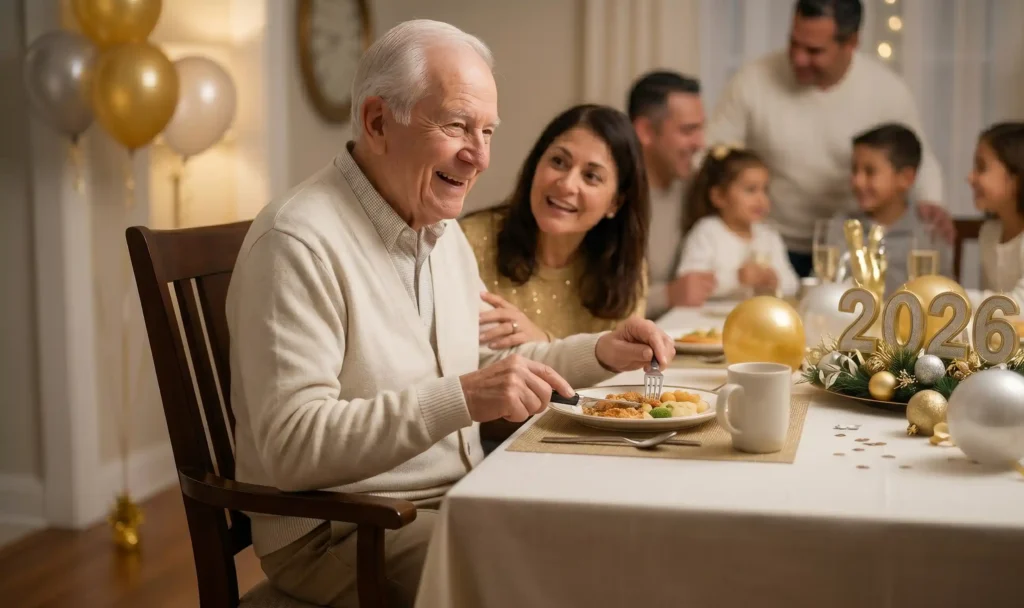
New Year festivities and holiday celebrations bring families together around shared meals, but for elderly loved ones, these joyous occasions can present significant safety challenges including choking risks, medication interactions with festive foods, fall hazards during meal preparation, and swallowing difficulties exacerbated by excitement and unfamiliar seating arrangements. Creating safe dining environments for seniors during 2026 celebrations requires strategic planning that addresses proper positioning, adaptive equipment, emergency preparedness, and family education to ensure elderly participants can enjoy festive meals safely while maintaining dignity and independence. At LIFEmed, we understand that festival dining safety extends beyond food choices to encompass seating systems, adaptive utensils, environmental modifications, and emergency protocols that transform potentially hazardous celebrations into secure, enjoyable experiences that promote rather than compromise senior health and family bonding.
Therapeutic Seating for Safe Festival Dining
Proper seating represents the foundation of safe dining for elderly individuals, with positioning directly impacting swallowing function, aspiration risk, and overall meal enjoyment during extended family gatherings. Therapeutic dining chairs with adjustable heights enable optimal positioning where feet rest flat on the floor, hips and knees bend at 90 degrees, and backs maintain upright posture essential for safe swallowing mechanics. These positioning requirements become crucial during festive meals when elderly individuals may spend hours at dining tables, requiring sustained proper alignment to prevent fatigue, discomfort, and increased aspiration risks.
Supportive seating systems with lateral supports, headrests, and adjustable armrests accommodate individual physical limitations while maintaining proper alignment throughout lengthy celebration meals. Elderly individuals with Parkinson’s disease, stroke history, or general weakness benefit from seating that provides trunk support without restricting arm movement needed for self-feeding, while those with osteoporosis or arthritis require cushioning that reduces pressure points during extended sitting periods. Festival dining often involves unfamiliar furniture, making portable seating solutions valuable for maintaining safety and comfort during visits to relatives’ homes or community celebrations.
Height-adjustable dining chairs ensure elderly individuals can maintain proper table height relationships regardless of venue, preventing reaching that increases choking risk or awkward positioning that interferes with normal swallowing patterns. Swivel mechanisms enable easier table approach and exit, reducing fall risks associated with awkward transfers while maintaining proper positioning once seated. LIFEmed’s seating specialists understand how positioning impacts swallowing safety and recommend solutions that support optimal dining posture while accommodating individual mobility limitations and comfort requirements.
Adaptive Utensils and Dining Equipment for Independence
Adaptive dining equipment enables elderly individuals to maintain eating independence during festival celebrations, preventing the embarrassment and frustration associated with requiring feeding assistance while ensuring adequate nutrition intake during special occasions. Weighted utensils counteract hand tremors common in conditions like Parkinson’s disease, providing stability that enables safe food handling and reduces spill risks that could create fall hazards or social embarrassment. Built-up handles accommodate arthritis, limited grip strength, or hand deformities, enabling comfortable utensil use throughout extended celebration meals.
Specialized plates with raised edges, divided sections, and non-slip bases prevent food spillage while enabling easier scooping for individuals with coordination difficulties or limited range of motion. Plate guards create barriers that help guide food onto utensils, particularly valuable for elderly individuals with vision impairments, cognitive changes, or one-handed eating following stroke. These adaptive tools prove especially important during festival buffets or family-style serving where food presentation differs from familiar daily meal formats.
Drinking aids including cups with cutout noses, weighted bases, and two-handle designs address swallowing difficulties and tremor management while maintaining hydration during celebrations where alcohol consumption by others might pressure elderly individuals to drink inappropriately. Straws with one-way valves prevent choking risks associated with liquid aspiration, while thermal mugs maintain beverage temperatures during extended social interactions. These modifications enable continued beverage independence while addressing safety concerns that could otherwise limit participation in traditional toasting and social drinking activities.
Kitchen Accessibility for Meal Preparation Participation
Many elderly individuals take pride in contributing to family celebrations through cooking, baking, or meal preparation, making kitchen accessibility crucial for maintaining meaningful participation while ensuring safety during food handling and preparation activities. Adjustable-height work surfaces accommodate wheelchair users or individuals with limited standing tolerance, enabling continued cooking participation without compromising safety or requiring exhausting physical positioning. Pull-out cutting boards, lazy Susans, and accessible storage solutions reduce reaching and bending that could trigger falls during meal preparation excitement.
Ergonomic kitchen tools including automatic can openers, easy-grip measuring cups, and lightweight cookware accommodate arthritis, weakness, or limited dexterity while enabling continued culinary contributions to family celebrations. Non-slip mats, adequate lighting, and organized storage prevent accidents during meal preparation when excitement and time pressure might interfere with normal safety awareness. These modifications become particularly important during holiday cooking when unfamiliar recipes, increased quantities, and family pressure might overwhelm elderly cooks.
Safety equipment including automatic shut-off devices, timer systems, and easy-reach fire extinguishers address cognitive changes or distraction risks associated with festive meal preparation. Medication timing considerations ensure cooking activities don’t interfere with essential medication schedules, while emergency protocols address potential incidents during meal preparation when family attention might be divided among multiple activities. LIFEmed provides kitchen accessibility solutions that enable continued cooking participation while maintaining safety standards essential for preventing accidents during celebratory meal preparation.
Emergency Preparedness During Festival Dining
Festival dining presents unique emergency risks including choking incidents, medication reactions, diabetic emergencies, and fall injuries that require immediate response capabilities while maintaining celebration atmospheres. Family members hosting elderly guests need training in basic emergency response including choking relief techniques, recognizing signs of stroke or cardiac events, and implementing diabetic emergency protocols that could save lives during critical moments when professional help might be delayed.
Choking prevention strategies address food texture modifications, appropriate bite sizes, and proper eating pace that reduce aspiration risks during exciting conversations and social distractions common during family gatherings. Emergency equipment including suction devices, glucose tablets, and emergency medication storage should be readily accessible without creating anxiety or institutional atmospheres that diminish celebration enjoyment. Communication plans ensure emergency contacts, medical information, and care instructions are available to all family members without violating privacy or creating uncomfortable discussions.
Medication management during festivities requires coordination with meal timing, alcohol interactions, and schedule disruptions that could compromise health stability. Portable medication organizers, reminder systems, and family education prevent dangerous interactions while maintaining normal medication routines despite celebration schedule changes. These precautions become crucial when visiting different homes, traveling for celebrations, or experiencing schedule disruptions associated with holiday activities.
Creating Inclusive Celebration Environments
Inclusive celebration planning accommodates elderly participants’ physical limitations while maintaining festive atmospheres that promote rather than limit social participation. Lighting considerations address vision changes common in aging, with adequate task lighting for eating safety combined with ambient lighting that maintains celebration moods. Background noise management recognizes hearing difficulties that interfere with conversation and social connection, implementing strategies that enable meaningful participation without exhaustion.
Table arrangement strategies position elderly individuals for optimal social interaction while accommodating mobility aids, ensuring wheelchair accessibility, and preventing isolation that could diminish celebration enjoyment. Multiple seating options throughout celebration spaces accommodate varying comfort needs and energy levels, enabling elderly participants to remain engaged without requiring sustained positioning that causes discomfort or safety concerns. LIFEmed’s accessibility specialists help families create inclusive celebration spaces that accommodate elderly participants while maintaining festive atmospheres essential for meaningful family bonding.
Temperature control addresses aging-related temperature sensitivity that could affect comfort and safety during gatherings, while humidity management prevents respiratory difficulties that could compromise health or enjoyment. These environmental considerations prove particularly important during winter celebrations when indoor heating and outdoor cold create challenging transitions that could affect elderly participants’ wellbeing.
Family Education and Caregiver Training
Successful festival dining safety requires comprehensive family education addressing elderly participants’ specific needs, safety considerations, and emergency protocols without creating institutional atmospheres that diminish celebration joy. Training programs cover proper transfer techniques, feeding assistance strategies, and recognizing emergency warning signs while maintaining dignity and independence for elderly family members. This education proves particularly valuable for family members who interact infrequently with elderly relatives and might not understand current capabilities or limitations.
Communication strategies address discussing dietary restrictions, medication requirements, and safety needs without creating embarrassment or social isolation for elderly participants. Respectful advocacy ensures safety requirements are met while maintaining normal family dynamics and celebration traditions. Family members learn to balance protective instincts with independence promotion, creating supportive environments that enhance rather than restrict elderly participants’ celebration experiences.
LIFEmed provides family education resources covering safe dining practices, equipment use, and emergency response that enable confident hosting of elderly family members during celebrations while maintaining safety standards essential for preventing accidents or health complications that could transform joyous occasions into medical emergencies.
Festival dining safety for elderly loved ones in 2026 requires comprehensive planning that addresses seating needs, adaptive equipment, emergency preparedness, and family education while maintaining celebratory atmospheres that promote social connection and family bonding. Through proper equipment selection, environmental modifications, and caregiver training, families can create inclusive celebrations that accommodate elderly participants’ needs while ensuring safety and dignity throughout festive gatherings. Understanding available resources, safety protocols, and adaptive strategies empowers families to confidently include elderly loved ones in holiday celebrations while protecting their health and wellbeing throughout special occasions.
To visit our Social Media, please click on Facebook and Instagram