
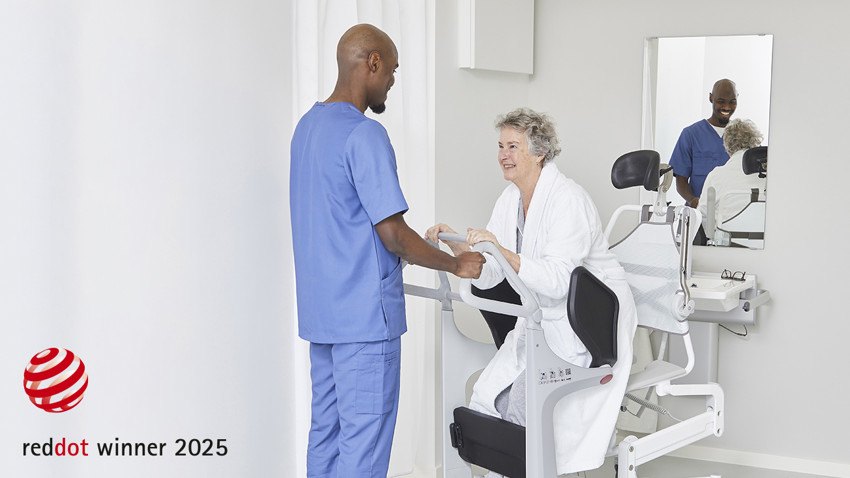
Patient lifts and safe transfer equipment represent essential tools for preventing caregiver injuries while maintaining dignity and comfort for individuals requiring assistance with position changes, mobility transitions, and daily care activities. With manual lifting contributing to over 40,000 caregiver injuries annually in healthcare and home settings, mechanical lifting devices have become indispensable components of comprehensive care plans that prioritize safety for both care recipients and providers. At LIFEmed, we understand that selecting appropriate transfer equipment involves careful consideration of individual needs, environmental factors, caregiver capabilities, and specific transfer scenarios to ensure optimal outcomes while promoting independence and maintaining the therapeutic relationship essential for quality care delivery.
Understanding Different Types of Patient Lifts
Patient lifts encompass diverse mechanical systems designed to address various transfer needs, from simple repositioning within beds to complex transfers between different surfaces and environments. Floor lifts, also called mobile lifts, represent the most versatile category, featuring wheeled bases that maneuver through homes and facilities while providing powered lifting through hydraulic or electric actuators. These devices excel in situations requiring transfers between beds, wheelchairs, toilets, and bathing areas, with spreader bars and interchangeable slings accommodating different body types and transfer requirements while maintaining safety throughout the lifting process.
Ceiling-mounted lift systems offer permanent solutions for high-frequency transfer areas, eliminating floor space obstacles while providing smooth, quiet operation that reduces anxiety often associated with mechanical lifting. Track systems customize to room layouts, with straight tracks serving single transfer routes and curved configurations enabling complex transfers between multiple surfaces within single rooms. Ceiling lifts prove particularly valuable in bedrooms, bathrooms, and therapy areas where frequent transfers occur, offering consistent positioning that promotes caregiver efficiency while ensuring user comfort and safety.
Stand-assist lifts bridge the gap between independent mobility and full mechanical lifting, supporting individuals with lower extremity weakness who retain some standing capability. These devices feature supportive platforms for feet, padded shin supports, and powered lifting mechanisms that assist users in achieving standing positions from seated surfaces. Stand-assist lifts prove invaluable for individuals recovering from surgery, managing progressive conditions, or experiencing temporary weakness, providing confidence and safety during transfers while promoting continued use of remaining functional abilities.
Sling Selection and Positioning Strategies
Sling selection profoundly impacts transfer safety, comfort, and dignity, with different designs addressing specific positioning needs, body types, and medical conditions that influence optimal support strategies. Full-body slings provide comprehensive support for individuals unable to maintain trunk control, featuring head and leg supports that distribute weight evenly while maintaining proper positioning throughout transfers. These versatile slings accommodate various transfer scenarios, from bed-to-wheelchair moves to bathing transfers, with mesh fabrics enabling water drainage during shower use.
Toileting slings feature strategic openings that maintain dignity during bathroom transfers while providing adequate support for safe positioning on toilet seats. These specialized designs eliminate the need for sling removal during toileting, reducing transfer frequency while maintaining independence and privacy crucial for psychological well-being. Universal slings balance support with functionality, featuring detachable leg sections that accommodate both full support and toileting needs within single devices, reducing equipment requirements while maintaining versatility.
Proper sling sizing ensures optimal weight distribution and pressure relief, with measurements including torso length, hip width, and thigh length determining appropriate fit for individual users. Incorrect sizing creates pressure points, compromises support, or interferes with transfers, potentially leading to skin breakdown or mechanical failure. LIFEmed’s sling specialists provide detailed fitting assessments ensuring optimal sizing that promotes comfort, safety, and longevity while accommodating individual anatomical variations and positioning preferences that influence transfer success.
Safety Protocols and Training Requirements
Safe transfer practices require comprehensive training addressing equipment operation, emergency procedures, and communication strategies that ensure consistent safety standards regardless of caregiver experience levels. Training programs must cover pre-transfer assessments including equipment inspection, sling examination, and user positioning checks that identify potential hazards before initiating lifts. Weight capacity verification, battery charge levels, and mechanical function tests prevent equipment failures that could result in falls or injuries to users and caregivers.
Communication protocols during transfers reduce anxiety while ensuring coordination between multiple caregivers when required, with clear verbal cues indicating transfer phases and positioning adjustments. Users should understand transfer procedures, expected sensations, and their role in maintaining safety throughout the process, promoting cooperation that enhances safety while reducing fear often associated with mechanical lifting. Emergency procedures including manual lowering techniques, equipment malfunction responses, and evacuation protocols ensure caregiver preparedness for unexpected situations.
Environmental preparation plays crucial roles in transfer safety, with clear pathways, appropriate lighting, and stable receiving surfaces preventing complications during lifting procedures. Floor surfaces should be dry and free from obstacles, while receiving furniture must be positioned correctly and locked when applicable. Room temperature considerations address user comfort during transfers, particularly important for individuals with temperature regulation difficulties or those requiring clothing removal for bathing or medical procedures.
Choosing Between Mobile and Fixed Systems
Selecting between mobile floor lifts and ceiling-mounted systems requires careful analysis of transfer frequency, space constraints, user needs, and installation considerations that influence long-term satisfaction and cost-effectiveness. Mobile lifts offer flexibility for multiple transfer locations throughout homes or facilities, with compact designs navigating standard doorways and tight spaces. These devices prove ideal for occasional use, multiple user households, or rental situations where permanent installations aren’t feasible, providing full functionality without structural modifications.
Ceiling-mounted systems excel in high-frequency transfer situations, offering smooth operation that reduces transfer anxiety while eliminating storage requirements associated with mobile equipment. Fixed systems provide consistent positioning that promotes efficient transfers while freeing floor space for other activities and equipment. However, ceiling installations require structural assessments, professional installation, and permanent modifications that may not suit all environments or living situations.
Weight capacity considerations influence system selection, with heavy-duty models accommodating users exceeding standard weight limits while maintaining safety margins essential for dynamic loading during transfers. Bariatric-specific systems feature reinforced components, wider slings, and enhanced stability features addressing unique challenges associated with larger individuals. LIFEmed provides comprehensive system comparisons helping families and facilities select optimal lifting solutions based on individual requirements, environmental factors, and long-term care goals that ensure appropriate equipment selection.
Maintenance and Safety Inspections
Regular maintenance ensures patient lift reliability and safety throughout equipment lifespan, preventing mechanical failures that could result in serious injuries or equipment damage. Daily visual inspections identify obvious wear, damage, or contamination requiring attention before equipment use, with checklists ensuring consistent evaluation of critical components including slings, chains, spreader bars, and lifting mechanisms. Monthly detailed inspections examine mechanical systems, electrical connections, and structural components for signs of wear or deterioration requiring professional attention.
Annual professional servicing addresses complex maintenance needs including hydraulic system testing, electrical safety verification, and load testing that confirms continued compliance with safety standards. Certified technicians perform comprehensive evaluations, replace worn components, and update equipment documentation ensuring continued regulatory compliance while maintaining warranty coverage. Service records provide essential documentation for insurance purposes while tracking maintenance patterns that predict future service needs.
Battery maintenance for electric lifts requires regular charging, terminal cleaning, and capacity testing that ensures reliable operation when needed most. Understanding charging requirements, storage protocols, and replacement indicators prevents equipment failures during critical transfer situations. LIFEmed’s maintenance programs provide scheduled servicing, emergency repairs, and replacement parts ensuring equipment reliability while maximizing equipment lifespan through proper care and professional attention.
Funding and Cost Considerations
Accessing funding for patient lifts requires understanding various programs, documentation requirements, and approval processes that can significantly reduce financial barriers to essential safety equipment. Medicare Part B covers patient lifts as durable medical equipment when prescribed for individuals meeting specific criteria including inability to transfer safely without assistance and presence of trained caregivers capable of operating equipment safely. Documentation requirements include physician prescriptions, assessment reports, and proof of caregiver training that demonstrates medical necessity and safe operation capability.
Workers’ Compensation programs often provide coverage for transfer equipment when workplace injuries create mobility limitations requiring assistive devices for continued employment or vocational rehabilitation. Veterans Affairs benefits cover patient lifts for service-connected conditions, with comprehensive assessments determining appropriate equipment specifications and training requirements. Alberta Aids to Daily Living (AADL) provides funding assistance for qualifying individuals, with cost-share provisions based on income and medical necessity determinations.
Private insurance coverage varies significantly between plans and companies, with some providing comprehensive coverage while others exclude transfer equipment entirely. Prior authorization requirements, preferred vendor networks, and coverage limitations impact out-of-pocket expenses, making insurance verification essential before equipment acquisition. LIFEmed’s funding specialists navigate complex approval processes, providing documentation support, vendor coordination, and appeals assistance ensuring maximum coverage while minimizing delays in obtaining essential equipment.
Long-term Benefits and Quality of Life Impact
Patient lifts provide profound long-term benefits extending beyond immediate transfer safety, preventing caregiver injuries that could compromise care quality while enabling individuals to remain in preferred living environments despite increasing care needs. Caregiver health preservation through mechanical lifting prevents musculoskeletal injuries that force family members to reduce caregiving involvement or require professional care services, maintaining family dynamics while protecting caregiver well-being essential for sustainable care relationships.
Dignity preservation represents a crucial benefit often overlooked in discussions of mechanical transfer equipment, with smooth, controlled movements reducing embarrassment and anxiety associated with manual lifting and awkward positioning. Users report feeling safer and more secure during mechanical transfers compared to manual assistance, particularly important for individuals with history of falls or transfer-related injuries that create anxiety around position changes.
Patient lifts and safe transfer equipment represent essential investments in caregiver safety and user dignity that enable continued independence while preventing injuries that compromise quality of life for entire families. Through careful equipment selection, proper training, and regular maintenance, mechanical lifting systems provide reliable solutions that adapt to changing needs while maintaining safety standards throughout the care journey. Understanding available options, funding opportunities, and proper use protocols empowers families and caregivers to implement safe transfer practices that protect everyone involved while promoting maximum independence and quality of life.
To visit our Social Media, please click on Facebook and Instagram