
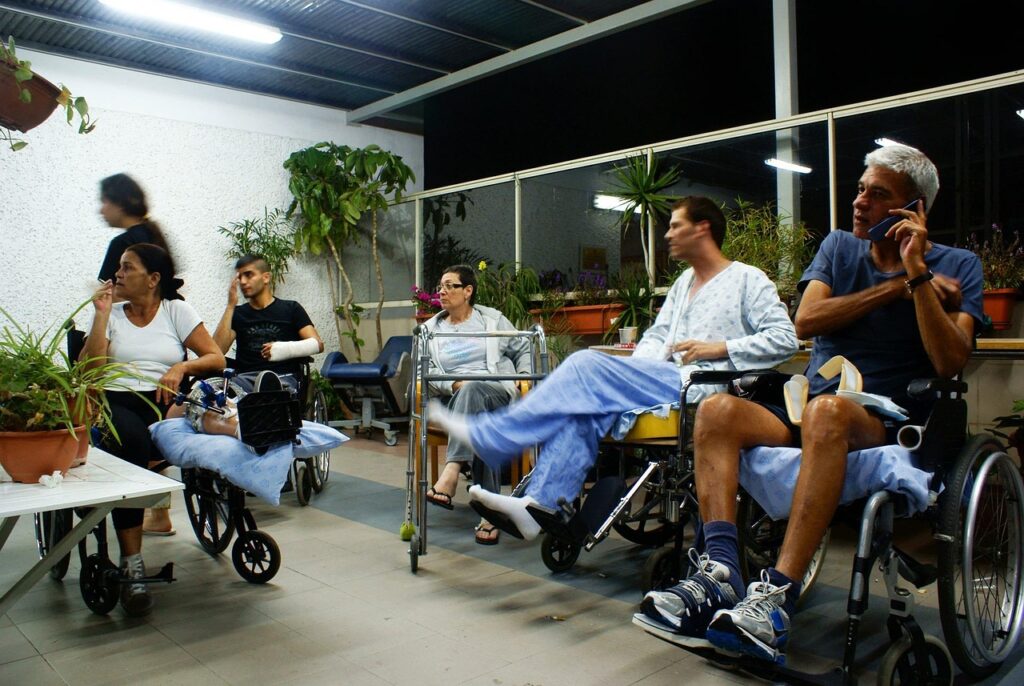
The New Year represents a powerful opportunity for transformation, and for individuals navigating mobility challenges, 2026 offers unprecedented possibilities for enhancing independence, safety, and quality of life through strategic equipment upgrades, home modifications, and therapeutic programs. Setting meaningful mobility goals goes beyond traditional resolutions, encompassing practical strategies that address daily living challenges while promoting long-term health and well-being. At LIFEmed, we believe that every individual deserves to enter the new year with confidence, equipped with the tools and knowledge necessary to achieve their mobility aspirations and maximize their participation in activities that bring joy and fulfillment.
Assessing Your Current Mobility Status for 2026
Beginning your mobility journey in 2026 requires honest evaluation of current capabilities, identifying areas where equipment upgrades or modifications could significantly impact daily life quality. Consider documenting daily activities that present challenges, from morning transfers and bathroom navigation to community outings and social participation, creating a comprehensive picture of where improvements would be most beneficial. This assessment should include not only physical limitations but also environmental barriers, equipment inadequacies, and situations where current solutions no longer meet evolving needs.
Reflecting on the past year’s mobility experiences provides valuable insights for goal setting, highlighting patterns of difficulty, near-miss incidents, or activities abandoned due to accessibility concerns. Perhaps stairs have become increasingly challenging, current walking aids feel unstable, or wheelchair cushions no longer provide adequate pressure relief during extended sitting periods. These observations form the foundation for meaningful goal setting, ensuring 2026 resolutions address real needs rather than abstract aspirations.
Family members and caregivers offer essential perspectives on mobility challenges, often observing struggles users have normalized or developed workarounds for that compromise safety or efficiency. Including trusted individuals in assessment discussions reveals opportunities for improvement that might otherwise go unrecognized, while ensuring goals align with household dynamics and support system capabilities. This collaborative approach to New Year planning creates shared commitment to mobility improvements that benefit everyone involved.
Setting SMART Mobility Goals for the New Year
Transforming mobility aspirations into achievable 2026 goals requires applying SMART criteria—Specific, Measurable, Achievable, Relevant, and Time-bound—to ensure progress tracking and motivation maintenance throughout the year. Rather than vague resolutions like “improve mobility,” specific goals such as “obtain and master use of a rollator by March to safely navigate the community center for weekly activities” provide clear direction and measurable outcomes. These concrete objectives guide equipment selection, training needs, and funding applications while maintaining focus on meaningful life participation.
Breaking annual goals into quarterly milestones prevents overwhelming feelings while celebrating incremental progress that builds toward larger achievements. First quarter objectives might focus on assessments and equipment trials, second quarter on acquisition and training, third quarter on building endurance and expanding use environments, with fourth quarter emphasizing maintenance of gains and planning for 2027. This staged approach recognizes that meaningful mobility improvements require time for adaptation, skill development, and confidence building.
Balancing ambitious goals with realistic expectations prevents discouragement while maintaining motivation for continued progress. Consider factors including current health status, available support, financial resources, and competing priorities when establishing timelines and objectives. LIFEmed’s team helps develop realistic goal frameworks that challenge users appropriately while ensuring success probability that reinforces continued effort and engagement.
Home Accessibility Improvements for 2026
The New Year presents an ideal opportunity to address home accessibility barriers that have accumulated over time, transforming living spaces into environments that support rather than hinder independence. Start 2026 by conducting a room-by-room accessibility audit, identifying modifications ranging from simple grab bar installations to comprehensive bathroom renovations that could dramatically improve safety and function. Prioritize changes based on frequency of use, risk level, and potential impact on daily activities, creating a modification schedule that spreads costs and disruption throughout the year.
Bathroom modifications often provide the greatest return on investment for mobility improvements, with grab bars, raised toilet seats, and shower chairs preventing falls while enabling independent personal care. Planning these improvements early in 2026 allows time for funding applications, contractor scheduling, and proper installation that ensures safety and longevity. Consider future needs when planning modifications, selecting adjustable or modular solutions that accommodate potential changes in mobility status.
Entrance modifications including ramps, railings, and improved lighting enhance home access while reducing isolation risks associated with inability to navigate steps safely. The winter months of early 2026 provide opportunity to plan spring installations, researching options, obtaining quotes, and securing necessary permits for outdoor modifications. Smart home technology integration, from voice-activated lighting to automatic door openers, represents modern solutions that enhance independence while adapting to changing capabilities throughout the year.
Exploring New Mobility Equipment Options
The continuous evolution of mobility technology means 2026 brings innovative equipment options that didn’t exist even a year ago, making regular equipment evaluation essential for optimal function. Schedule comprehensive mobility assessments early in the year to explore whether current equipment still meets needs or if newer models offer features that could significantly enhance independence. Advanced power wheelchairs with standing functions, ultra-lightweight manual chairs, and smart walkers with navigation assistance represent just some innovations worth investigating.
Insurance plan renewals at year’s beginning often reset equipment allowances, making January ideal for initiating funding processes for needed upgrades or replacements. Understanding 2026 coverage changes, deductibles, and prior authorization requirements early prevents delays in obtaining necessary equipment. LIFEmed’s funding specialists navigate 2026 insurance landscapes, maximizing coverage while identifying alternative funding sources for equipment exceeding standard benefits.
Trial periods for major equipment purchases allow thorough evaluation before commitment, ensuring selected devices truly meet needs in real-world environments. Use early 2026 to schedule extended trials of power mobility devices, standing frames, or advanced seating systems, taking advantage of manufacturer promotions and new model introductions typical of the new year period. Document trial experiences to support funding applications and guide final selection decisions.
Building Strength and Endurance Throughout 2026
Physical conditioning goals complement equipment improvements, with structured exercise programs enhancing strength, endurance, and flexibility that optimize mobility device use and reduce secondary complications. Establishing baseline fitness measurements in January provides reference points for tracking progress throughout 2026, whether through formal therapy assessments or simple functional tests like timed walks or transfer counts. These objective measures motivate continued effort while identifying when program adjustments become necessary.
Adapted exercise programs designed for individuals with mobility limitations offer safe, effective methods for building strength without risking injury or exceeding capabilities. Community centers, rehabilitation facilities, and online platforms provide increasingly diverse options for 2026, from seated yoga and wheelchair sports to aquatic therapy and resistance training. Starting with modest commitments and gradually increasing intensity and duration prevents burnout while building sustainable exercise habits.
Incorporating functional exercises that directly translate to daily activities ensures fitness gains improve practical mobility rather than abstract strength measurements. Practice transfers, work on balance challenges, and simulate daily tasks during exercise sessions to build specific skills needed for independence. LIFEmed connects users with appropriate exercise resources and adaptive equipment that supports 2026 fitness goals while ensuring safety throughout conditioning programs.
Leveraging Technology for Mobility Enhancement
The year 2026 presents unprecedented technological opportunities for enhancing mobility and independence, from smartphone apps that navigate accessible routes to wearable devices monitoring gait patterns and fall risk. Embracing these innovations as New Year resolutions opens doors to improved safety, efficiency, and confidence in daily navigation. Start by identifying technology gaps where digital solutions could address current challenges, whether through medication reminders, emergency response systems, or virtual therapy platforms.
Assistive technology training ensures maximum benefit from devices and applications, with many organizations offering workshops specifically designed for seniors and individuals with disabilities starting their 2026 technology journey. Learning to use voice assistants for home control, GPS apps for accessible navigation, and telehealth platforms for remote consultations empowers users to maintain independence despite mobility limitations. Setting monthly technology learning goals prevents overwhelming while building digital literacy throughout the year.
Smart home integration represents a particularly valuable 2026 investment for individuals with mobility challenges, enabling control of lighting, temperature, entertainment, and security systems without physical navigation. Planning systematic upgrades throughout the year spreads costs while allowing adaptation to each new system before adding complexity. Consider starting with high-impact modifications like smart locks and video doorbells that enhance security and convenience for those with limited mobility.
Creating Your 2026 Mobility Action Plan
Transforming New Year mobility goals into reality requires structured action plans with specific timelines, responsible parties, and progress checkpoints that maintain momentum throughout 2026. Document goals, required steps, and success metrics in accessible formats that allow regular review and adjustment as circumstances change. Include contingency plans for common obstacles like funding delays, health setbacks, or equipment availability issues that might otherwise derail progress.
Quarterly reviews of mobility goals ensure continued relevance while celebrating achievements that motivate sustained effort. Schedule these check-ins for the end of March, June, September, and December, involving support team members who can provide objective feedback on progress and areas needing additional attention. Adjust timelines and objectives based on actual progress rather than maintaining unrealistic goals that lead to discouragement.
LIFEmed’s comprehensive support throughout 2026 includes regular follow-ups, equipment adjustments, and goal modification assistance that ensures continued progress toward enhanced mobility and independence. Our team understands that New Year resolutions represent hope for improved quality of life, and we’re committed to helping every client achieve their 2026 mobility aspirations through appropriate equipment, training, and ongoing support.
The New Year 2026 offers a fresh start for prioritizing mobility, independence, and quality of life through strategic goal setting, equipment upgrades, and environmental modifications that address individual challenges. By establishing clear objectives, leveraging available resources, and maintaining commitment to gradual progress, individuals with mobility challenges can achieve meaningful improvements that enhance daily living and expand participation opportunities. Let 2026 be the year when mobility limitations no longer define boundaries but instead inspire creative solutions that promote independence, safety, and fulfillment in all aspects of life.
To visit our Social Media, please click on Facebook and Instagram