
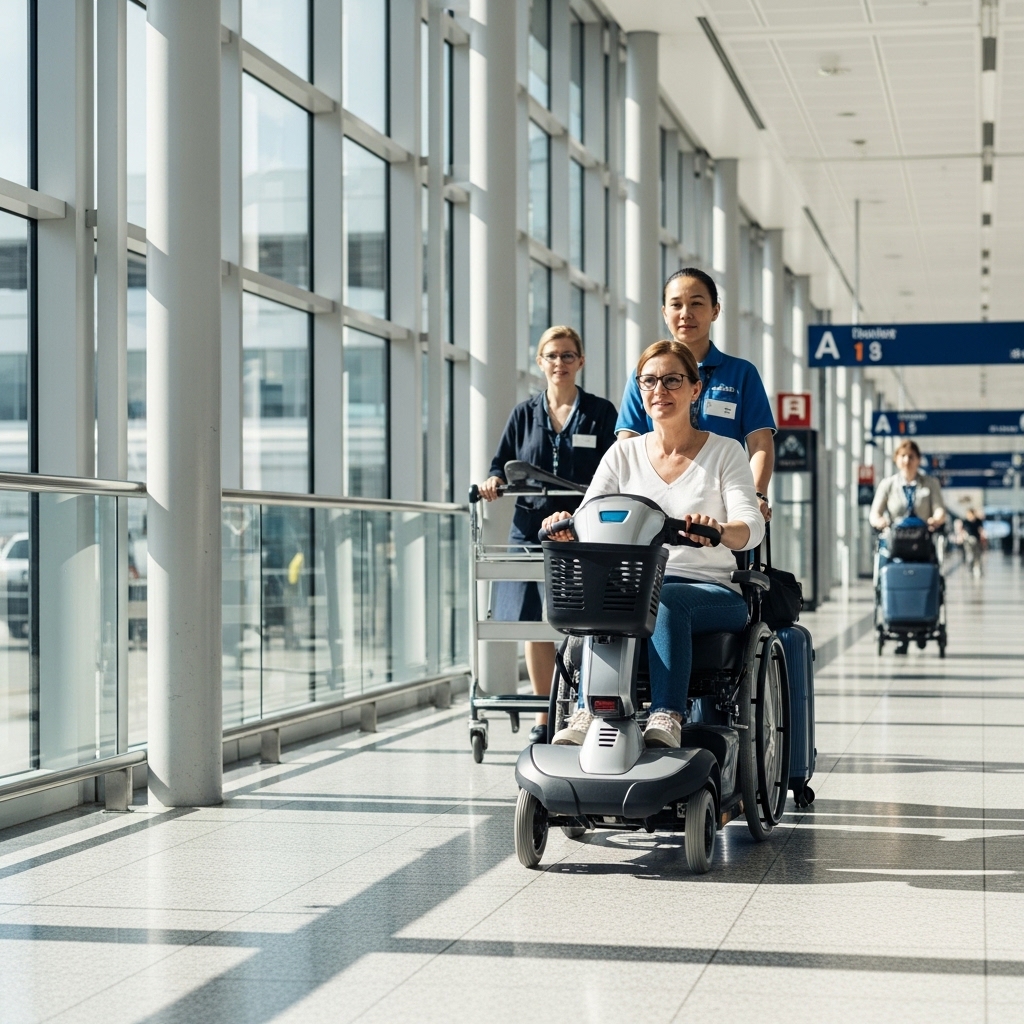
Traveling should be an enjoyable and stress free experience for everyone. For individuals who use mobility equipment such as wheelchairs or scooters, planning ahead is essential to ensure comfort, safety, and accessibility throughout the journey. With the right preparation and support, travel can be both empowering and enjoyable.
Many people avoid traveling due to concerns about accessibility, transportation, and equipment handling. However, modern accessibility standards and mobility solutions have made travel more possible than ever before. Whether planning a short trip within the city or a longer vacation, understanding how to prepare can make a significant difference.
At <a href=”https://lifemed.ca/”>LIFEmed</a>, supporting independence goes beyond everyday mobility. It includes helping individuals confidently explore new places while maintaining comfort and safety.
Planning Accessible Travel Before You Leave
Successful travel begins with careful planning. Researching destinations in advance helps identify accessible accommodations, transportation options, and attractions.
Hotels that offer accessible rooms with wider doorways, roll in showers, and supportive bathroom features can greatly improve comfort during your stay. It is always recommended to confirm accessibility features directly with the hotel before booking.
Transportation is another key factor. Airlines, trains, and buses often provide accessibility services, but advance notice is usually required. Informing service providers about mobility equipment ensures proper handling and assistance during boarding and arrival.
Creating a checklist before traveling helps ensure nothing is forgotten. Items such as chargers, spare parts, and essential accessories should always be included.
For more helpful mobility related tips and guides, you can visit the <a href=”https://lifemed.ca/blogs/”>blog page</a>.
Choosing the Right Mobility Equipment for Travel
Not all mobility equipment is equally suitable for travel. Some devices are designed specifically for portability and ease of transport.
Lightweight wheelchairs and compact mobility scooters are ideal for travel because they can be folded or disassembled easily. These features make it easier to store equipment in vehicles or airplane cargo compartments.
Battery type is also important when traveling by air. Certain batteries must meet airline safety regulations. It is important to check these requirements in advance to avoid delays or complications.
Comfort should also be considered when choosing travel equipment. Long periods of sitting may require additional support or accessories to maintain posture and reduce fatigue.
The team at <a href=”https://lifemed.ca/”>LIFEmed</a> can help individuals select mobility equipment that fits their travel needs while ensuring safety and convenience.
Navigating Airports and Public Transportation
Airports and public transportation systems have made significant improvements in accessibility. However, knowing what to expect can reduce stress and make the experience smoother.
Arriving early at the airport allows time to request assistance services. Many airports offer support staff who help with check in, security, and boarding.
Mobility equipment may need to be checked or stored depending on airline policies. Taking photos of your equipment before travel can help document its condition in case of damage.
Public transportation systems in many Canadian cities offer accessible buses and trains with designated spaces for wheelchairs and scooters. Learning how these systems operate can help travelers move confidently through unfamiliar areas.
Hotel and Accommodation Accessibility Tips
Choosing the right accommodation plays a major role in travel comfort. Accessible rooms should provide enough space for maneuvering mobility equipment.
Key features to look for include step free entrances, wide hallways, and accessible bathrooms. Adjustable beds and seating options can also improve comfort.
It is helpful to request a room located near elevators or main facilities to reduce travel distance within the building.
If possible, reviewing photos or contacting the property directly can provide a better understanding of accessibility features.
Staying Safe While Exploring New Places
Exploring new environments can present unexpected challenges. Uneven sidewalks, crowded areas, and unfamiliar layouts may affect mobility.
Planning routes in advance can help identify accessible pathways. Many cities offer accessibility maps that highlight wheelchair friendly routes and entrances.
Traveling with a companion can provide additional support and peace of mind. However, many individuals also travel independently by using proper planning and mobility tools.
Maintaining awareness of surroundings and avoiding overly crowded or unsafe areas can reduce the risk of accidents.
Maintaining Your Mobility Equipment During Travel
Travel conditions can affect mobility equipment performance. Regular checks during the trip can help prevent issues.
Inspect tires, brakes, and battery levels frequently. Keeping equipment clean and free from debris ensures smooth operation.
Carrying a basic maintenance kit can be helpful in case of minor issues. This may include tools, cleaning supplies, and spare components.
If professional assistance is needed, reaching out to experts such as <a href=”https://lifemed.ca/”>LIFEmed</a> can help resolve equipment concerns quickly.
Accessibility Apps and Digital Tools
Technology has made travel easier for individuals with mobility challenges. Many mobile applications provide information about accessible locations, routes, and services.
Navigation apps can help identify step free paths and accessible entrances. Some apps also allow users to review accessibility features of public places.
Using these tools can improve confidence and reduce uncertainty when visiting new destinations.
Building Confidence Through Travel
Traveling is not just about reaching a destination. It is about experiencing new environments, meeting people, and enjoying life beyond daily routines.
For individuals who use mobility equipment, each successful trip builds confidence and independence. Over time, travel becomes easier and more enjoyable.
With proper planning, the right equipment, and access to reliable information, mobility should never be a barrier to exploring the world.
You can find more mobility guides and helpful resources on the <a href=”https://lifemed.ca/blogs/”>LIFEmed blog</a>.
Supporting Independence Through Smart Travel Choices
Travel is an important part of maintaining an active and fulfilling lifestyle. By understanding accessibility options and preparing in advance, individuals can reduce stress and focus on enjoying their journey.
At <a href=”https://lifemed.ca/”>LIFEmed</a>, the goal is to support mobility not only at home but also in everyday experiences like travel. With the right support and solutions, individuals can explore new places with confidence, comfort, and independence.