
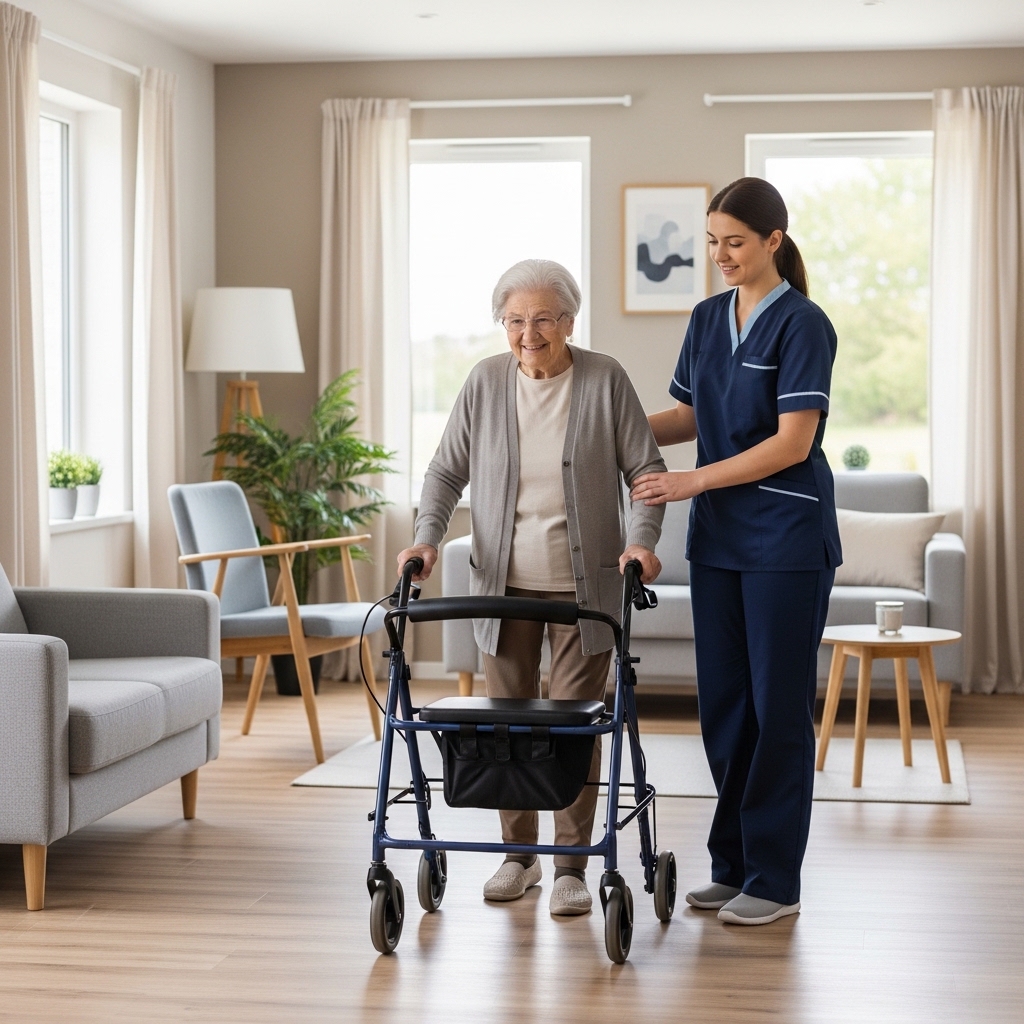
Falls are one of the most common causes of injury among seniors and individuals with mobility challenges. Reduced balance, muscle weakness, and environmental hazards can increase the risk of accidents both at home and in community spaces. Preventing falls is not only important for physical safety but also for maintaining independence and confidence in everyday life.
Modern mobility safety technology has transformed how individuals protect themselves from fall related injuries. From supportive mobility equipment to smart monitoring systems, innovative solutions now make it easier to create safer environments and reduce fall risks.
At <a href=”https://lifemed.ca/”>LIFEmed</a>, improving safety and independence is a core mission. By combining mobility equipment with thoughtful home design and preventative strategies, individuals can significantly lower their risk of falls and maintain a higher quality of life.
Understanding the Risk Factors Behind Falls
Many factors contribute to fall risks. Aging often leads to reduced muscle strength, slower reflexes, and changes in balance. Medical conditions such as arthritis, neurological disorders, and vision impairments may also affect stability.
Environmental hazards can further increase risk. Poor lighting, uneven flooring, cluttered walkways, and slippery surfaces are common causes of accidents inside the home.
Mobility limitations also play a major role. When individuals struggle to stand, walk, or transfer safely, the risk of losing balance increases.
Understanding these risk factors is the first step toward creating a safer living environment.
Mobility Equipment That Improves Safety
Supportive mobility equipment plays an essential role in fall prevention. Devices designed for stability and balance help individuals move with greater confidence and control.
Walkers and rollators provide additional support while walking, allowing users to maintain stability on uneven surfaces. Wheelchairs and mobility scooters allow individuals with limited endurance to travel safely without overexertion.
Transfer aids also reduce the risk of falls during movement between beds, chairs, and bathrooms. Equipment such as transfer boards and lift systems assist both users and caregivers during positioning and transfers.
Many of these solutions are available through <a href=”https://lifemed.ca/”>LIFEmed</a>, where specialized equipment is designed to support safety, mobility, and independence.
The Importance of Home Safety Modifications
A safe home environment is just as important as mobility equipment. Small adjustments in living spaces can dramatically reduce fall risks.
Installing proper lighting throughout the home helps individuals see potential hazards clearly. Hallways, bathrooms, and staircases should always be well illuminated.
Removing loose rugs and securing cables prevents unexpected tripping hazards. Clear walking paths also allow mobility equipment to move freely without obstruction.
Accessible furniture placement can further improve safety. Chairs with proper arm support make it easier to stand and sit without losing balance.
These simple adjustments help transform the home into a safer and more supportive environment for mobility users.
Smart Technology for Fall Detection and Monitoring
Technology is increasingly playing a role in fall prevention and response. Smart monitoring systems can detect unusual movements or sudden falls and alert caregivers or family members immediately.
Wearable devices equipped with motion sensors can monitor movement patterns throughout the day. If a fall occurs, the system can automatically send alerts to designated contacts.
Some smart home systems also include motion sensors that track activity levels within the home. If movement stops unexpectedly or unusual inactivity is detected, caregivers can be notified.
These innovations provide an added layer of security, especially for individuals who live alone.
Strength and Balance Training for Long Term Prevention
Fall prevention also involves maintaining physical strength and balance. Regular exercise programs can significantly improve mobility and coordination.
Simple exercises that strengthen leg muscles and improve flexibility can help individuals maintain stability during everyday activities. Balance training can also improve confidence when walking or standing.
Physical therapists often recommend customized exercise programs designed to match each individual’s ability level.
Combining exercise with supportive mobility equipment creates a powerful strategy for reducing fall risk and maintaining independence.
Caregiver Support and Education
Caregivers play a vital role in preventing falls and ensuring safe mobility. Proper training allows caregivers to assist with transfers, mobility, and positioning without increasing risk.
Education also helps caregivers recognize early warning signs of balance problems or mobility decline.
By working closely with mobility specialists, caregivers can learn techniques that protect both the user and themselves from injury.
Additional educational resources and safety tips are regularly shared on the <a href=”https://lifemed.ca/blogs/”>LIFEmed blog page</a>.
Building Confidence Through Safe Mobility
Fear of falling can often limit independence. Many individuals begin avoiding activities they once enjoyed because they worry about losing balance or experiencing an accident.
The right combination of mobility equipment, home safety improvements, and preventative strategies helps rebuild confidence.
When individuals feel secure in their environment, they are more likely to stay active and socially engaged. This active lifestyle supports both physical health and emotional wellbeing.
Mobility specialists at <a href=”https://lifemed.ca/”>LIFEmed</a> help individuals explore solutions that enhance both safety and independence.
Creating a Comprehensive Fall Prevention Plan
A comprehensive fall prevention plan should include several elements working together.
Supportive mobility equipment improves balance and stability. Home safety modifications reduce environmental hazards. Exercise programs maintain strength and coordination. Smart monitoring systems provide additional protection.
When these strategies work together, individuals gain the confidence to move freely while reducing the risk of injury.
Exploring educational resources and safety strategies on the <a href=”https://lifemed.ca/blogs/”>blog page</a> can also help families stay informed about the latest mobility solutions.
Supporting Independence Through Safety
Fall prevention is not only about avoiding injury. It is about preserving independence, dignity, and quality of life.
With the right tools and strategies, individuals with mobility challenges can continue to participate in daily activities with confidence.
At <a href=”https://lifemed.ca/”>LIFEmed</a>, the goal is to provide innovative mobility solutions that empower people to live safely and independently. Through advanced equipment, expert guidance, and educational resources, individuals and families can create safer environments and maintain active lifestyles.