
Wake Up Refreshed: Why Good Sleep Matters & How to Master It
Most people treat sleep as something that happens to them rather than something they can actively manage. But sleep quality isn’t just about feeling rested — it directly affects pain levels, balance, immune function, mood, and recovery. For older adults
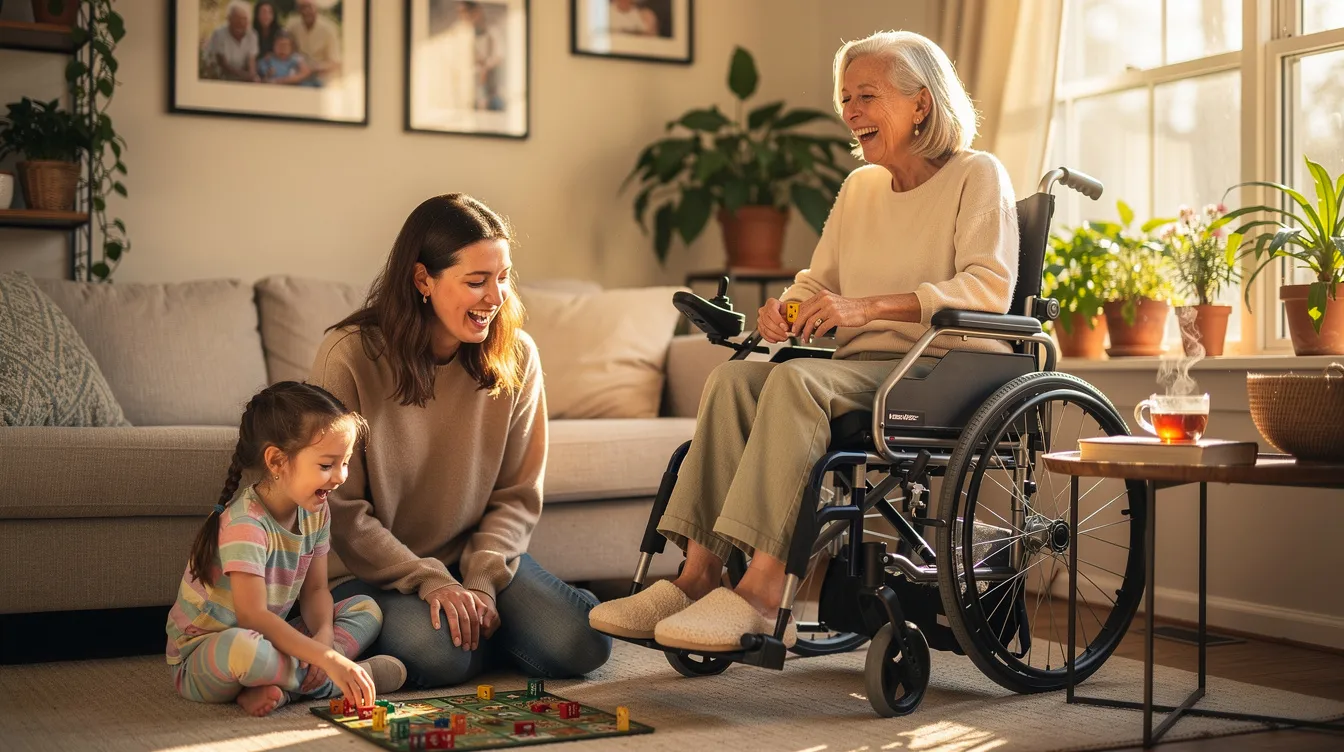
Beyond Mobility: Nurturing Mental Health and Meaningful Connections
Mobility equipment changes lives — but it only solves part of the equation. A wheelchair, scooter, or walker can restore independence and physical safety, yet the emotional side of living with reduced mobility often gets far less attention. Mental health
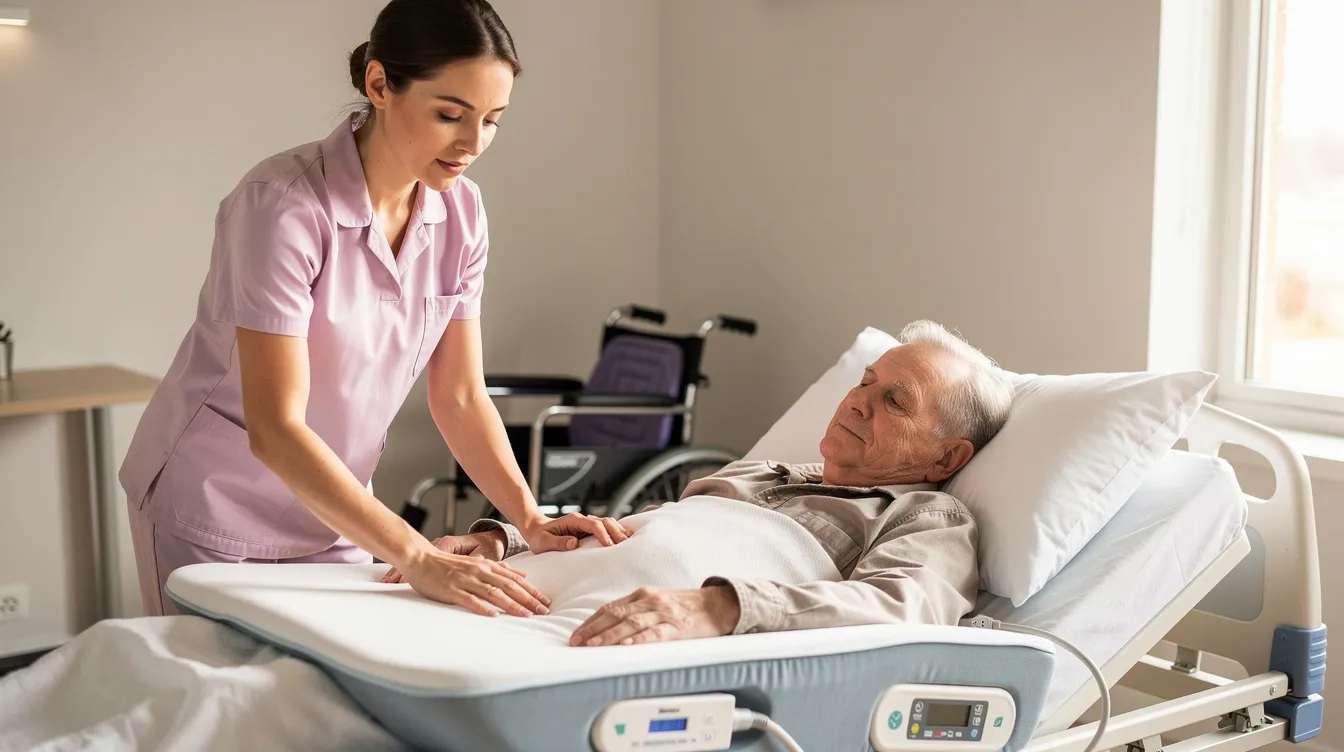
Smart Support Surfaces: How Modern Tech Is Revolutionizing Wound Prevention
For decades, pressure injury prevention relied on a simple formula: reposition the patient regularly, use a basic foam or gel surface, and hope staff or caregivers catch problems before they progress. That approach still matters — but it’s no longer
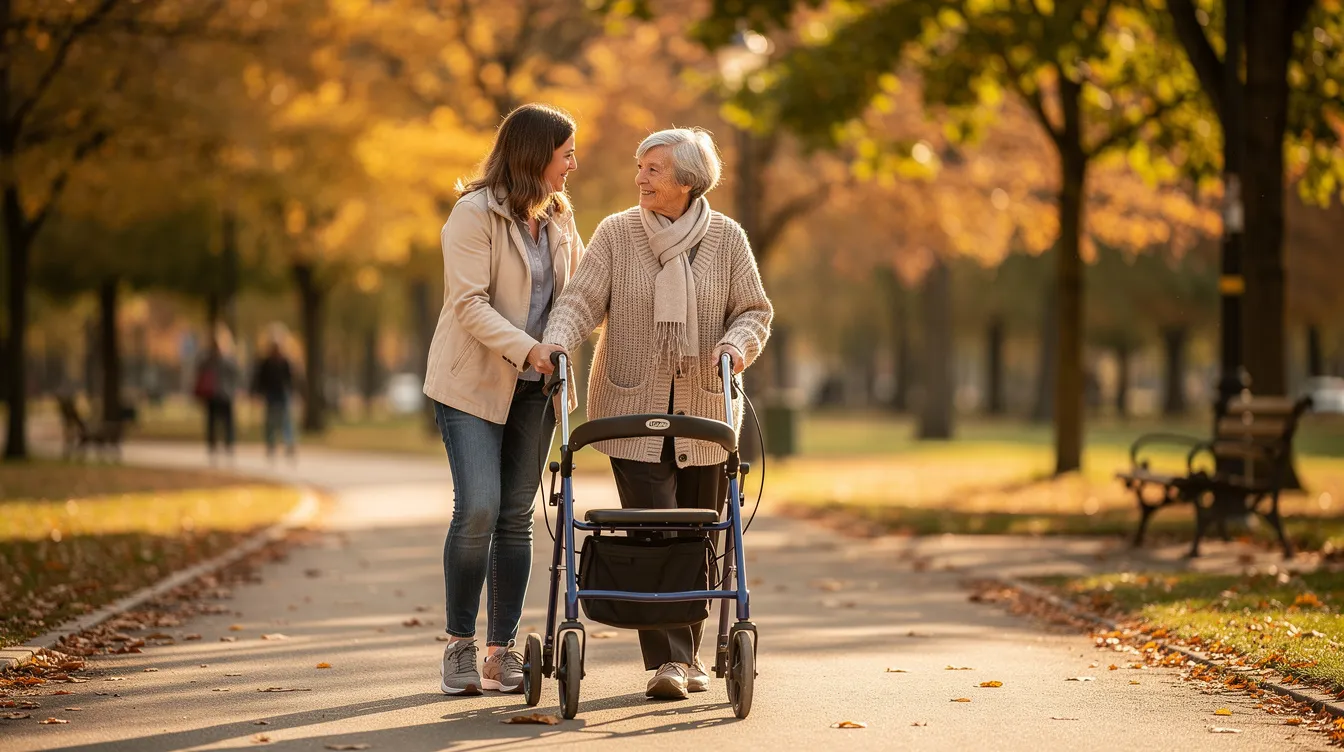
Healthy and Safe Habits in Autumn: A Fall Season Checklist for Seniors & Caregivers
Autumn brings crisp air, shorter days, and — for seniors and people with mobility challenges — a noticeable rise in fall-related injuries and health risks. Wet leaves, earlier darkness, colder joints, and the seasonal cold and flu wave all show