
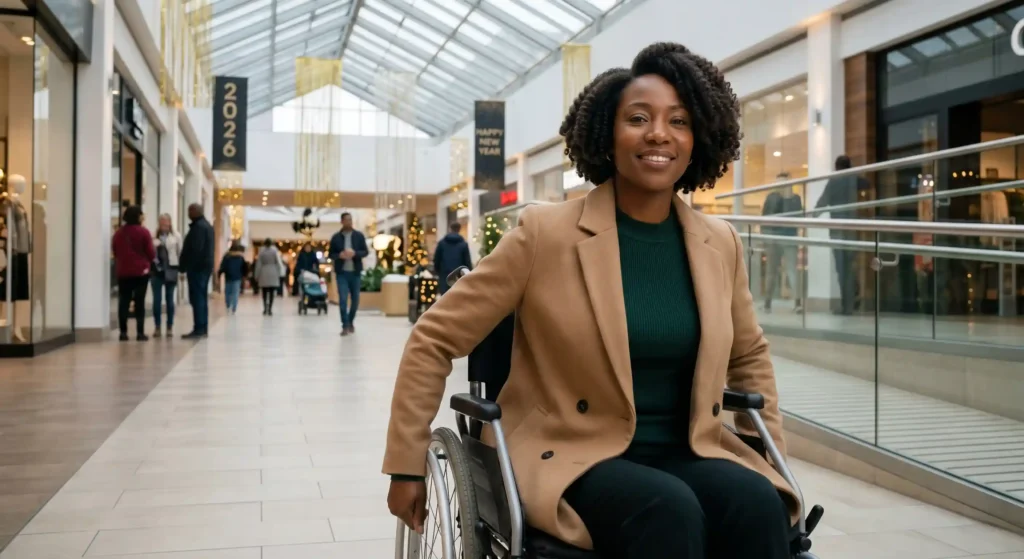
The New Year 2026 presents an empowering opportunity for wheelchair users to expand their community participation, master confident navigation techniques, and embrace active public life through strategic planning, proper equipment selection, and social etiquette awareness that transforms potentially intimidating public spaces into accessible environments for independence and enjoyment. Setting community access goals for the new year goes beyond basic mobility skills, encompassing advocacy strategies, social confidence building, and practical techniques that enable wheelchair users to navigate restaurants, shopping centers, entertainment venues, and social gatherings with dignity and self-assurance. At LIFEmed, we believe that 2026 should mark a year of expanded horizons for wheelchair users, supported by appropriate equipment, comprehensive training, and community awareness initiatives that create inclusive environments where everyone can participate fully in public life while maintaining safety, comfort, and personal autonomy.
Mastering Different Wheelchair Types for Public Navigation
Understanding the unique characteristics and optimal applications of various wheelchair types enables users to select appropriate equipment for different public environments, ensuring safety, efficiency, and confidence during community outings. Manual wheelchairs require mastering propulsion techniques including proper hand positioning, rhythm development, and energy conservation strategies that enable sustained navigation through shopping malls, airports, and entertainment complexes without excessive fatigue. Lightweight models with quick-release wheels facilitate transportation and storage challenges common in public venues, while heavy-duty frames like the Voyager Plus provide stability and durability essential for outdoor community events and challenging terrain navigation.
Power wheelchairs offer independence advantages for extended public outings but require understanding battery management, charging strategies, and backup planning essential for full-day community activities. Front-wheel drive models excel in tight indoor spaces like crowded restaurants and retail stores, while rear-wheel drive configurations provide stability and speed for outdoor festivals and community events. Mid-wheel drive systems offer superior maneuverability in confined spaces but require practice for smooth outdoor navigation on uneven surfaces common in parking lots and sidewalk transitions.
Sport chairs and specialized models enable participation in recreational activities and athletic events, expanding community engagement beyond basic transportation needs. These lightweight, responsive chairs require different techniques for optimal performance but open doors to competitive sports, recreational leagues, and fitness activities that promote social connection while maintaining physical health. LIFEmed’s mobility specialists help match wheelchair types to individual goals ensuring optimal equipment selection that supports rather than limits community participation and social engagement throughout 2026.
Strategic Route Planning and Accessibility Research
Successful public outings require advance planning that identifies accessible routes, parking options, restroom locations, and potential barriers that could impact safety or enjoyment during community activities. Modern smartphone apps and online accessibility databases provide detailed information about business accessibility features, though personal verification often reveals discrepancies between reported and actual accessibility. Developing route planning skills enables wheelchair users to confidently explore new venues while maintaining backup options when unexpected barriers arise.
Parking considerations extend beyond handicapped space availability to include van accessibility, surface conditions, and distance relationships between parking areas and destination entrances. Weather contingencies become crucial for manual wheelchair users whose grip and propulsion efficiency decrease during rain or snow conditions common in Canadian winters. Indoor route planning addresses elevator locations, alternative pathways during maintenance periods, and emergency evacuation procedures that ensure safety during unexpected situations.
Communication strategies with venue staff, event organizers, and service providers establish accessibility needs while advocating for reasonable accommodations that enable full participation in community activities. Pre-visit phone calls, online inquiries, and accessibility coordinator consultations prevent disappointment while building relationships with businesses committed to inclusive service. These proactive approaches create positive experiences while encouraging venues to maintain and improve accessibility features for future visitors.
Social Etiquette and Advocacy Strategies
Confident public navigation requires mastering social interactions that educate others about wheelchair etiquette while maintaining personal dignity and comfort during potentially awkward encounters. Understanding appropriate responses to well-intentioned but inappropriate assistance offers, invasive questions, or accessibility barriers empowers wheelchair users to advocate effectively while maintaining positive relationships. Developing assertiveness skills enables clear communication about needs and boundaries without compromising social connections or community relationships.
Restaurant navigation involves specific strategies including table selection, menu accessibility, and restroom planning that ensure comfortable dining experiences while accommodating wheelchair dimensions and transfer requirements. Shopping center techniques address crowd navigation, reaching assistance, and fitting room accommodations that enable independent shopping while maintaining safety in busy retail environments. Entertainment venue considerations include sight lines, transfer requirements for fixed seating, and accessibility service coordination that ensures full enjoyment of concerts, theater performances, and sporting events.
Public transportation mastery, including bus lift operation, train platform navigation, and airport security procedures, expands community access while building confidence for travel and exploration beyond immediate neighborhoods. LIFEmed provides comprehensive public navigation training covering equipment operation, social skills, and advocacy techniques that enable confident community participation while promoting positive public awareness about disability and accessibility.
Weather and Seasonal Adaptation Strategies
Canadian weather presents unique challenges for wheelchair users navigating public spaces, requiring seasonal equipment modifications, technique adjustments, and safety protocols that ensure year-round community access despite challenging environmental conditions. Winter navigation demands understanding ice and snow management, including tire selection, grip enhancement, and emergency protocols for outdoor mobility challenges. Indoor climate variations between heated buildings and cold outdoor environments require clothing strategies that accommodate frequent transitions while maintaining comfort and safety.
Rain protection extends beyond personal comfort to include equipment preservation, with waterproof covers, electronic protection, and emergency shelter strategies preventing damage while maintaining mobility during unexpected weather changes. Summer heat management addresses hydration needs, battery performance impacts, and overheating prevention crucial for extended outdoor community activities during warm weather periods. Seasonal maintenance schedules ensure optimal equipment performance throughout weather extremes while preventing mechanical failures during critical community outings.
Emergency preparedness for weather-related situations includes backup transportation arrangements, emergency supply kits, and communication strategies that ensure safety during unexpected weather events while participating in community activities. Understanding venue emergency procedures, evacuation protocols, and shelter-in-place options prepares wheelchair users for various emergency scenarios while maintaining confidence during public outings regardless of weather conditions.
Building Confidence Through Practice and Community Support
Systematic skill development through structured practice sessions, peer mentoring, and gradual challenge progression builds confidence essential for independent public navigation while providing support networks that encourage continued community engagement. Starting with familiar venues and gradually expanding to new environments enables skill building without overwhelming anxiety that could discourage community participation. Practice sessions with experienced wheelchair users provide practical tips, problem-solving strategies, and emotional support that accelerate confidence development.
Wheelchair sports groups, advocacy organizations, and peer support networks provide ongoing encouragement while connecting users with experienced mentors who understand navigation challenges and solution strategies. These communities offer valuable resources including venue recommendations, accessibility information, and group activities that provide safe environments for practicing new skills while building social connections. Online forums, local meetups, and organized outings create supportive environments for sharing experiences and learning from others’ successes and challenges.
LIFEmed connects users with local support resources while providing equipment training that builds technical skills essential for confident public navigation. Our comprehensive approach addresses both equipment mastery and social skill development, ensuring users possess complete toolsets for successful community participation throughout 2026 and beyond.
Technology Integration for Enhanced Public Navigation
Modern technology offers powerful tools for enhancing public navigation including GPS apps with accessibility features, venue information databases, and communication platforms that improve safety and confidence during community outings. Smartphone apps providing real-time accessibility information, crowd level monitoring, and alternative route suggestions enable dynamic navigation adjustments that optimize experiences while avoiding potential barriers or challenging conditions.
Emergency communication systems, including panic buttons, location sharing, and emergency contact notifications, provide safety nets that enable confident exploration while ensuring rapid assistance during unexpected situations. These technologies prove particularly valuable for new wheelchair users building confidence or experienced users exploring unfamiliar venues where navigation challenges might arise.
Smart wheelchair accessories including navigation aids, environmental controls, and health monitoring systems enhance independence while providing real-time information that supports decision-making during public outings. LIFEmed stays current with assistive technology developments ensuring users have access to latest innovations that support confident community participation while maintaining safety and independence throughout various public environments.
Setting and Achieving 2026 Community Access Goals
Transforming community access aspirations into achievable 2026 goals requires systematic planning, measurable objectives, and progress tracking that maintains motivation while celebrating incremental achievements throughout the year. Specific goals might include visiting a certain number of new venues monthly, participating in community events, or mastering particular navigation challenges that previously seemed overwhelming. Breaking annual objectives into monthly milestones provides regular success opportunities while maintaining focus on long-term community integration goals.
Documentation through photos, journal entries, or social media sharing celebrates achievements while inspiring others facing similar challenges, creating positive community awareness while building personal confidence through accomplishment recognition. Regular goal review and adjustment ensure continued relevance while adapting to changing capabilities, interests, or life circumstances that influence community participation priorities and possibilities.
New Year 2026 represents an opportunity for wheelchair users to embrace expanded community participation through confident navigation skills, social etiquette mastery, and strategic planning that transforms public spaces into accessible environments for independence and enjoyment. Through appropriate equipment selection, comprehensive training, and community support, wheelchair users can achieve meaningful community integration goals while building confidence, social connections, and advocacy skills that benefit both personal growth and broader accessibility awareness throughout their communities.
To visit our Social Media, please click on Facebook and Instagram