
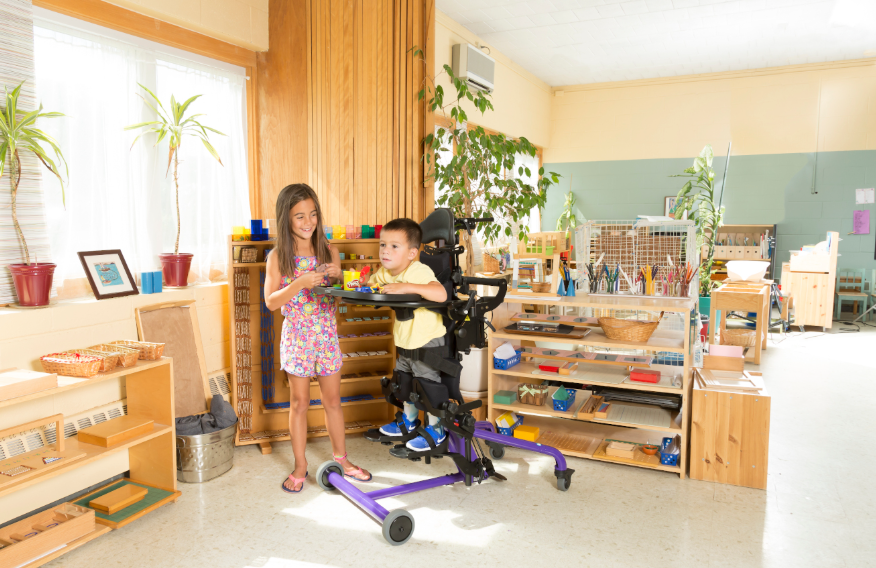
Standing frames and therapeutic standers represent critical medical equipment that enables individuals with mobility impairments to achieve and maintain upright positioning, providing profound physiological, psychological, and functional benefits that extend far beyond the simple act of standing. These specialized devices support users who cannot stand independently due to conditions including spinal cord injuries, cerebral palsy, multiple sclerosis, muscular dystrophy, and other neurological or orthopedic conditions, transforming their health outcomes through regular weight-bearing activities. At LIFEmed, we recognize that standing frames serve as foundational therapeutic tools for both pediatric and adult populations, offering solutions from basic static standers to advanced dynamic systems that promote movement, engagement, and participation in meaningful activities while standing.
Types of Standing Frames and Their Applications
Standing frame categories encompass diverse designs tailored to specific user needs, therapeutic goals, and functional capabilities, beginning with prone standers that position users face-down at various angles from horizontal to vertical. Prone standers prove particularly beneficial for individuals with limited head control, significant spasticity, or those beginning standing programs, as the forward-leaning position provides substantial trunk support while gradually introducing weight-bearing through lower extremities. The angle adjustability allows progressive advancement from minimal to full weight-bearing as tolerance and strength improve.
Supine standers position users face-up, transitioning from horizontal lying to vertical standing through powered or manual adjustment mechanisms that provide controlled, gradual position changes minimizing orthostatic intolerance common when initiating standing programs. These devices excel for users with complex medical needs requiring careful blood pressure monitoring during position changes, those with gastrostomy tubes or tracheostomies requiring anterior access, and individuals benefiting from the psychological comfort of seeing their environment throughout the standing process.
Upright standers, also called vertical standers, support users in traditional standing positions with anterior, posterior, or circumferential support depending on individual trunk control and therapeutic objectives. Mobile standers incorporate wheels or glides enabling self-propulsion or caregiver-assisted mobility while standing, dramatically expanding functional possibilities by allowing users to navigate environments, participate in standing-height activities, and experience movement that static standers cannot provide. These dynamic options prove especially valuable for school-aged children who can participate in classroom activities, playground experiences, and peer interactions at appropriate heights.
Physiological Benefits of Regular Standing
The physiological impact of regular standing extends throughout multiple body systems, with weight-bearing through long bones stimulating bone density maintenance and development crucial for preventing osteoporosis and pathological fractures common in non-ambulatory individuals. Standing programs initiated early in childhood support normal bone development, while adult programs help maintain existing bone density despite mobility limitations. Research demonstrates significant improvements in bone mineral density with consistent standing programs incorporating adequate duration and frequency.
Cardiovascular benefits emerge through improved circulation, enhanced venous return, and blood pressure regulation that standing facilitates compared to prolonged sitting or lying positions. The gravitational stress of upright positioning challenges the cardiovascular system appropriately, maintaining autonomic nervous system function and reducing orthostatic intolerance that can develop with prolonged immobilization. Heart rate variability improves with regular standing, indicating better cardiovascular fitness and autonomic regulation essential for overall health.
Respiratory function enhancement occurs through improved lung expansion, better secretion management, and optimized diaphragm positioning that standing enables compared to seated or reclined positions. LIFEmed’s standing frame specialists emphasize how upright positioning facilitates deeper breathing, improved oxygen saturation, and reduced respiratory infection risk through better airway clearance. Individuals with neuromuscular conditions particularly benefit from standing-enhanced respiratory mechanics that support speech production and endurance for daily activities.
Neurological and Developmental Advantages
Standing frames provide crucial sensory input through weight-bearing that stimulates proprioceptive and vestibular systems essential for motor learning, spatial awareness, and neurological development. For children with developmental delays or neurological conditions, standing experiences during critical developmental windows support achievement of motor milestones, even when independent standing remains impossible. The upright perspective enhances visual-spatial processing, object manipulation at appropriate heights, and environmental exploration that seated positioning cannot replicate.
Spasticity management represents a significant therapeutic application, with sustained stretching during standing helping reduce muscle tone, prevent contractures, and maintain range of motion in individuals with upper motor neuron conditions. Regular standing programs decrease the need for pharmacological interventions or surgical procedures to manage spasticity, providing a non-invasive approach to tone management. The weight-bearing and prolonged stretch combination proves more effective than passive stretching alone for maintaining muscle length and joint flexibility.
Bladder and bowel function improvements frequently accompany standing programs, with gravity-assisted positioning facilitating more complete emptying, reduced infection risk, and improved continence management. The upright position aids digestion, reduces constipation, and supports normal gastrointestinal motility often compromised in individuals with mobility impairments. These benefits significantly impact quality of life, reducing medical complications and enhancing independence in personal care activities.
Pediatric Standing Programs and Educational Integration
Pediatric standing programs require specialized consideration of growth, development, and educational participation, with equipment designed to accommodate rapid size changes while supporting therapeutic and functional goals. Early intervention standing programs for children with cerebral palsy, spina bifida, or genetic conditions provide critical opportunities for typical developmental experiences, peer interaction at appropriate heights, and participation in age-appropriate activities. School-based standing programs integrate therapeutic positioning into educational activities, allowing children to participate in circle time, art projects, and playground activities alongside peers.
Dynamic standers designed for children incorporate features supporting play, learning, and social engagement, with tray surfaces for educational materials, toy attachments for motivation, and mobility options enabling playground navigation. LIFEmed offers pediatric standers from leading manufacturers including Zing Standers, designed specifically for growing bodies with extensive adjustability, colorful designs reducing medical equipment stigma, and accessories supporting various therapeutic and educational activities. Size ranges from toddler through teen ensure continuity of standing programs throughout childhood development.
Educational teams benefit from standing frame integration, observing improved attention, engagement, and academic participation when students stand during appropriate activities. The alertness and arousal improvements associated with upright positioning enhance learning readiness, while the ability to participate at peer height reduces social isolation and promotes inclusion. Documentation of educational benefits supports funding requests through school systems, reinforcing standing frames as educational rather than purely medical equipment.
Adult Standing Programs and Functional Applications
Adult standing frame programs address diverse needs from acute rehabilitation following spinal cord injury to long-term management of progressive neurological conditions, with equipment selection based on individual capabilities, goals, and environmental considerations. Power standing wheelchairs combine mobility with standing functionality, enabling users to transition between sitting and standing throughout the day without transfers, maximizing independence in work, home, and community settings. These sophisticated devices support vocational activities, household tasks at standing height, and social participation previously impossible from seated positions.
Static standing frames for adults emphasize stability, support, and therapeutic positioning, with features including power adjustment for users with limited upper extremity function, extensive padding preventing pressure injuries during prolonged standing, and positioning options addressing complex postural needs. Work surface attachments enable productive activities during standing sessions, transforming therapeutic time into functional task completion. Some models incorporate arm exercise equipment, allowing cardiovascular training while standing for comprehensive therapeutic benefit.
Progressive standing programs following acute injuries begin with careful medical clearance, gradual angle progression, and vital sign monitoring to ensure safety while rebuilding orthostatic tolerance. LIFEmed’s clinical team provides comprehensive training on standing program development, progression protocols, and safety considerations essential for successful implementation. Documentation systems track standing duration, frequency, and physiological responses, supporting insurance justification and program modification as needed.
Funding Strategies and Insurance Navigation
Securing funding for standing frames requires comprehensive documentation demonstrating medical necessity, therapeutic benefits, and functional improvements expected from standing programs. Medical justification letters must articulate specific diagnoses, functional limitations, and evidence-based benefits of standing relevant to individual cases. Physician prescriptions, therapy evaluations, and supporting documentation from interdisciplinary teams strengthen funding requests by demonstrating consensus regarding standing frame necessity.
Alberta Aids to Daily Living (AADL) provides coverage for standing frames when specific criteria are met, including appropriate diagnosis, demonstrated inability to stand independently, and documented therapeutic goals achievable through standing programs. The program covers basic standing frame models with essential features, though cost-sharing may apply for advanced features or power options exceeding basic coverage. Prior authorization ensures appropriate equipment selection while managing program resources effectively.
Private insurance coverage varies significantly, with some plans providing comprehensive coverage while others exclude standing frames or require extensive documentation demonstrating failed conservative treatments. LIFEmed’s funding specialists navigate complex insurance requirements, providing documentation templates, coordinating evaluations, and advocating for coverage through appeals when initial requests face denial. Understanding specific policy language, coverage limitations, and appeal processes maximizes successful funding outcomes.
Standing frames and therapeutic standers provide essential opportunities for weight-bearing, therapeutic positioning, and functional participation that profoundly impact health outcomes, development, and quality of life for individuals with mobility impairments. Through careful assessment, appropriate equipment selection, and comprehensive standing programs, users achieve physiological benefits, maintain functional capabilities, and participate more fully in educational, vocational, and social activities. Understanding available options, therapeutic applications, and funding strategies empowers individuals, families, and clinical teams to implement successful standing programs that optimize health outcomes while promoting maximum independence and participation in meaningful life activities.
To visit our Social Media, please click on Facebook and Instagram