
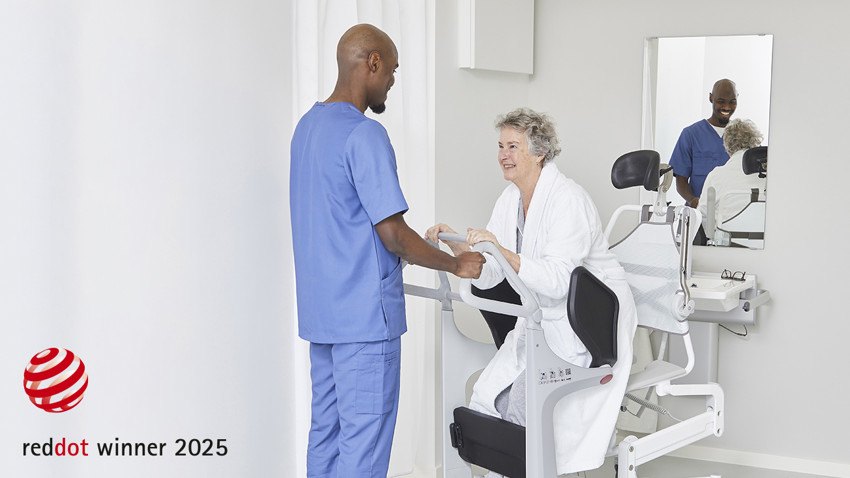
Lift chairs and power recliners represent revolutionary seating solutions that transform the simple act of sitting and standing into safe, comfortable, and dignified experiences for individuals with mobility limitations, arthritis, post-surgical recovery needs, or age-related strength decline. These sophisticated pieces of adaptive furniture combine the comfort of traditional recliners with powered lifting mechanisms that gently tilt forward to assist users in standing, eliminating the struggle and fall risk associated with rising from seated positions while providing therapeutic positioning options throughout the day. At LIFEmed, we understand that selecting the right lift chair involves balancing medical needs, comfort preferences, home décor considerations, and budget constraints to find solutions that enhance daily living while seamlessly integrating into existing living spaces.
Understanding Lift Chair Mechanisms and Positions
Modern lift chairs utilize powerful yet quiet motor systems that control multiple positioning functions, from basic two-position models offering sitting and reclining options to infinite-position chairs providing independent control of backrest and footrest angles for maximum customization. Two-position lift chairs recline to approximately 45 degrees, suitable for reading or watching television but not full recline for sleeping, making them ideal for users who primarily need standing assistance without extensive positioning requirements. Three-position models recline to nearly horizontal, enabling napping and elevated leg positioning beneficial for circulation and edema management.
Infinite-position lift chairs, also called zero-gravity or trendelenburg chairs, provide the ultimate in positioning flexibility, allowing users to achieve therapeutic positions where feet elevate above heart level to optimize circulation and reduce lower extremity swelling. These advanced models feature dual motors controlling backrest and ottoman independently, enabling users to find precise positions for comfort, medical needs, or specific activities. Some models incorporate additional motors for lumbar support, headrest adjustment, and even massage functions that provide therapeutic benefits beyond basic positioning.
The lifting mechanism represents the defining feature distinguishing lift chairs from standard recliners, utilizing a scissor-type lifting system that gradually tilts the entire chair forward while raising the seat height, creating a stable platform that assists users in achieving standing position without requiring pulling on furniture or assistance from caregivers. Safety features including anti-entrapment sensors, battery backup systems for power outages, and weight capacity limits ensure reliable operation while preventing accidents during use.
Medical Benefits and Therapeutic Applications
Lift chairs provide numerous medical benefits beyond simple standing assistance, addressing multiple health conditions and therapeutic needs that make them essential equipment for many individuals managing chronic conditions or recovering from medical procedures. Pressure redistribution through position changes helps prevent pressure injuries in individuals who spend extended periods sitting, with the ability to shift positions throughout the day reducing sustained pressure on vulnerable areas while promoting healthy circulation.
Respiratory benefits emerge from proper positioning options, with semi-reclined positions improving breathing for individuals with COPD, heart failure, or sleep apnea who experience difficulty breathing when lying flat. The ability to elevate legs reduces lower extremity edema common in conditions including venous insufficiency, lymphedema, and heart failure, while trendelenburg positioning can provide temporary relief from orthostatic hypotension by improving blood return to the heart and brain.
Post-surgical recovery accelerates with lift chair use, particularly following hip, knee, or back surgeries where traditional furniture proves too low or requires excessive effort to exit. The controlled lifting motion eliminates strain on surgical sites while maintaining proper body mechanics during the critical healing period. LIFEmed’s seating specialists work with healthcare providers to ensure selected chairs meet specific post-operative positioning requirements while supporting overall recovery goals.
Size, Fit, and Comfort Considerations
Proper sizing ensures lift chairs provide optimal support and functionality, with measurements including seat height, width, and depth determining appropriate fit for individual users. Seat height should allow feet to rest flat on the floor when seated, preventing pressure behind knees while ensuring the lifting mechanism raises users to appropriate standing height without requiring stepping down from elevated positions. Petite, small, medium, large, and tall sizes accommodate various body types, with some manufacturers offering custom sizing for individuals falling outside standard dimensions.
Seat width requires careful consideration to ensure adequate support without excess space that allows sliding or poor positioning, with armrest spacing affecting comfort and the ability to use armrests for support during transfers. Seat depth measurements from back to front of the seat should support thighs without creating pressure behind knees, with adjustable footrests accommodating different leg lengths for proper support in reclined positions.
Upholstery options significantly impact comfort and maintenance, with fabric choices ranging from traditional cloth providing breathability and warmth to leather and vinyl options offering easier cleaning for individuals with incontinence concerns. Specialized fabrics including antimicrobial treatments, moisture barriers, and breathable materials address specific medical needs while maintaining comfort and appearance. Memory foam padding, gel inserts, and adjustable lumbar support enhance comfort for extended sitting periods while addressing individual pressure relief requirements.
Features and Technology Options
Contemporary lift chairs incorporate advanced features extending well beyond basic lifting and reclining functions, with heat and massage capabilities providing therapeutic benefits for pain management, circulation enhancement, and relaxation. Vibration massage systems target specific muscle groups, while rolling massage mechanisms simulate hands-on therapy, particularly beneficial for individuals with chronic pain conditions or muscle tension. Heat therapy integrated into backrests and seats provides soothing warmth that reduces stiffness and promotes relaxation.
USB charging ports and storage pockets address practical needs, keeping devices, medications, and personal items within reach while maintaining organized living spaces. Cup holders, tray tables, and magazine pockets eliminate the need for separate side tables that can create obstacles or require reaching that risks falls. Some models include built-in lighting for reading without disturbing others, particularly valuable for individuals sharing living spaces.
Smart technology integration enables voice control, smartphone apps, and programmable memory positions that simplify operation for users with limited dexterity or cognitive challenges. LIFEmed offers models with advanced controls including large-button remotes, voice activation, and caregiver lockout features that prevent unauthorized use while maintaining user independence. Diagnostic systems monitor motor function and usage patterns, alerting users to maintenance needs before failures occur.
Home Integration and Placement Strategies
Successfully integrating lift chairs into home environments requires consideration of space requirements, electrical access, and traffic patterns that affect both functionality and safety. Lift chairs require additional forward clearance compared to standard recliners due to the tilting mechanism, with recommended minimum spacing of 18-24 inches from walls or furniture to accommodate full forward tilt during standing assistance. Recline clearance behind chairs varies by model, with wall-hugger designs requiring minimal rear clearance while standard models need 12-16 inches for full recline.
Electrical outlet placement affects chair positioning, with most models requiring standard household outlets positioned to avoid cord stretching or tripping hazards. Battery backup systems provide operation during power outages, crucial for users who might otherwise become trapped in reclined positions. Surge protectors protect expensive electronics from power fluctuations while ensuring reliable operation over the chair’s lifespan.
Room layout modifications may optimize lift chair placement, with considerations including natural lighting for reading, television viewing angles, proximity to bathrooms, and accessibility for caregivers providing assistance. Removing throw rugs, securing electrical cords, and ensuring adequate lighting around chairs prevents trips and falls during transfers, while maintaining clear pathways supports safe navigation with mobility aids if needed.
Funding Options and Insurance Coverage
Navigating funding options for lift chairs requires understanding coverage criteria, documentation requirements, and potential out-of-pocket expenses that vary significantly between funding sources. Medicare Part B covers the lifting mechanism portion of lift chairs when prescribed by physicians as medically necessary durable medical equipment, though coverage excludes the chair portion, requiring beneficiaries to pay the difference between basic and selected models. Certificate of Medical Necessity documentation must establish that alternatives have been considered and the lift chair represents the most appropriate solution for the individual’s condition.
Private insurance coverage varies widely, with some plans providing comprehensive coverage while others exclude lift chairs entirely or limit coverage to specific diagnoses. Prior authorization requirements, preferred vendor networks, and rental versus purchase options affect coverage levels and out-of-pocket costs. LIFEmed’s funding specialists assist with insurance navigation, providing documentation support, obtaining authorizations, and maximizing coverage through proper coding and medical justification.
Alberta Aids to Daily Living (AADL) may provide funding for lift chairs under specific circumstances, particularly for individuals with severe mobility limitations where lift chairs represent essential equipment for maintaining independence. Cost-share provisions apply based on income levels and other factors, with basic model coverage potentially requiring upgrades for additional features.
Maintenance and Long-term Care Considerations
Regular maintenance ensures lift chairs continue operating safely and reliably throughout their expected lifespan of 7-10 years with proper care. Daily visual inspections identify loose components, frayed cords, or upholstery damage requiring attention before causing failures or safety hazards. Mechanism lubrication according to manufacturer specifications prevents premature wear while maintaining smooth, quiet operation that doesn’t disturb household members.
Upholstery care varies by material, with fabric chairs benefiting from regular vacuuming and professional cleaning to maintain appearance and hygiene, while leather and vinyl options require conditioning treatments preventing cracking and maintaining suppleness. LIFEmed provides comprehensive care instructions specific to each model, ensuring users understand maintenance requirements that protect their investment while maintaining warranty coverage.
Lift chairs and power recliners represent invaluable investments in independence, safety, and quality of life for individuals facing mobility challenges, providing essential assistance with sitting and standing while offering therapeutic positioning options that address various medical needs. Through careful consideration of sizing, features, medical requirements, and funding options, individuals can select lift chairs that enhance daily living while seamlessly integrating into home environments. Understanding available options, maintenance requirements, and support resources empowers users and families to make informed decisions that promote continued independence and comfort while aging in place or managing mobility challenges.
To visit our Social Media, please click on Facebook and Instagram